
Happy Solstice!
"Summer is the time when it is too hot to do the things that it was too cold to do the winter." Mark Twain
The solstice is here and as I’ve watched the sun march northward the last few months, finally coming to a rest over the huge Douglas Fir tree up the hill to our west that marks it’s northern most declination point. I can’t help but think about that quote and how it just seems to hit harder these days, with all the heat advisories we seem to be getting. Oh well, the work must go on and on it does just starting a bit earlier in the cool of the morning now.
We welcome summer with a bunch of projects underway, this past week the excavator was here pushing out a pad for the new shade structure. I was welding up some of the support poles for the project this weekend in between pulling orders for collection boxes. The shady rock garden that is going in under the flowering plums is getting marked out as well with hopes that it will be ready for planting come the cooler weather of fall. In between it’s important to take a moment and just enjoy the flowers that are loading the garden now. The vegetable garden has certainly loved the early heat, peppers and tomatoes are already set and starting to color that is a first as we usually don’t see those until the latter half of July. Check out a few of the snapshots of the garden happenings:
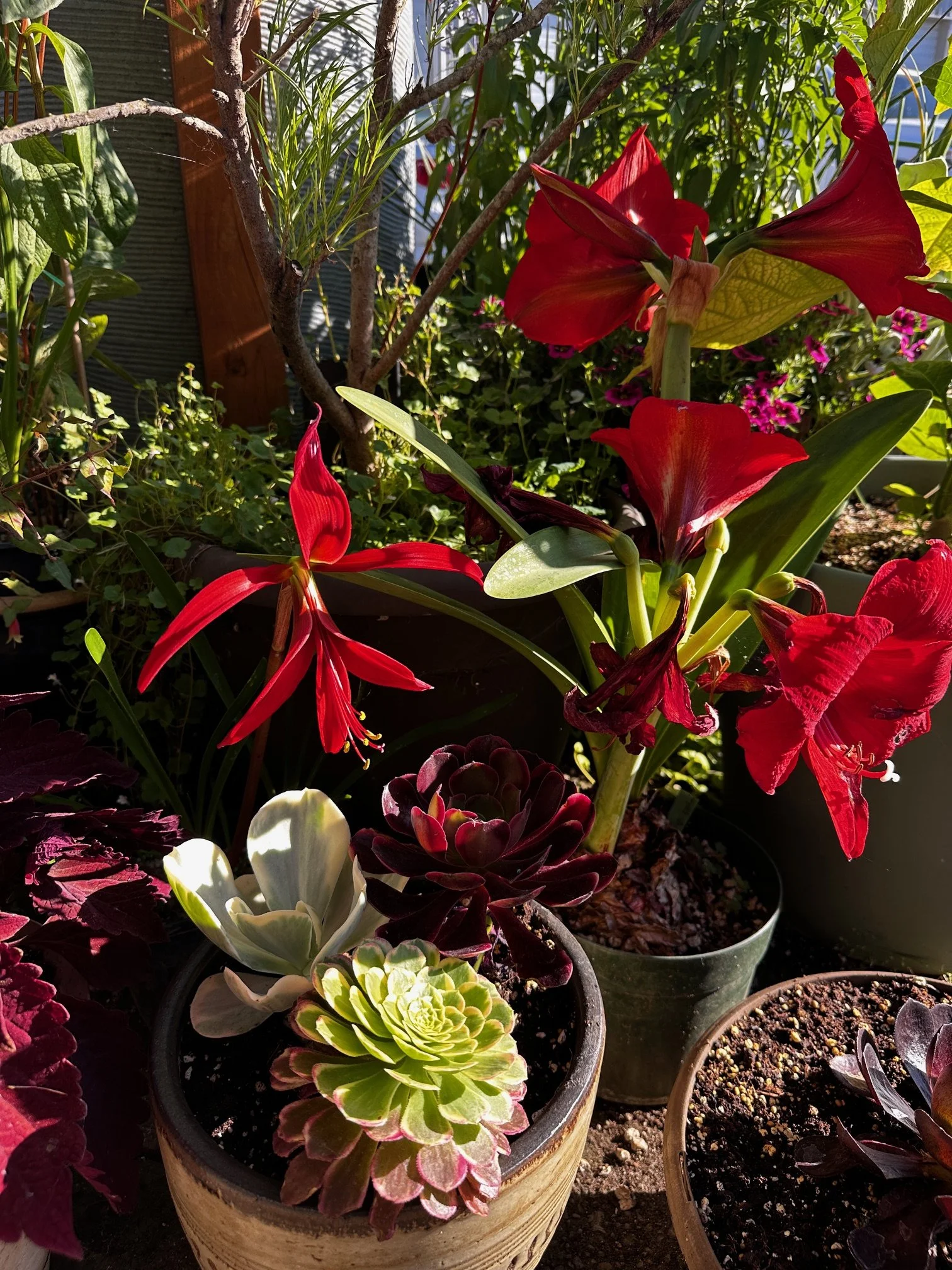
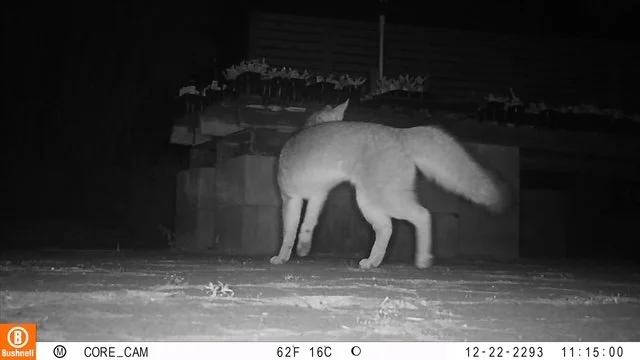
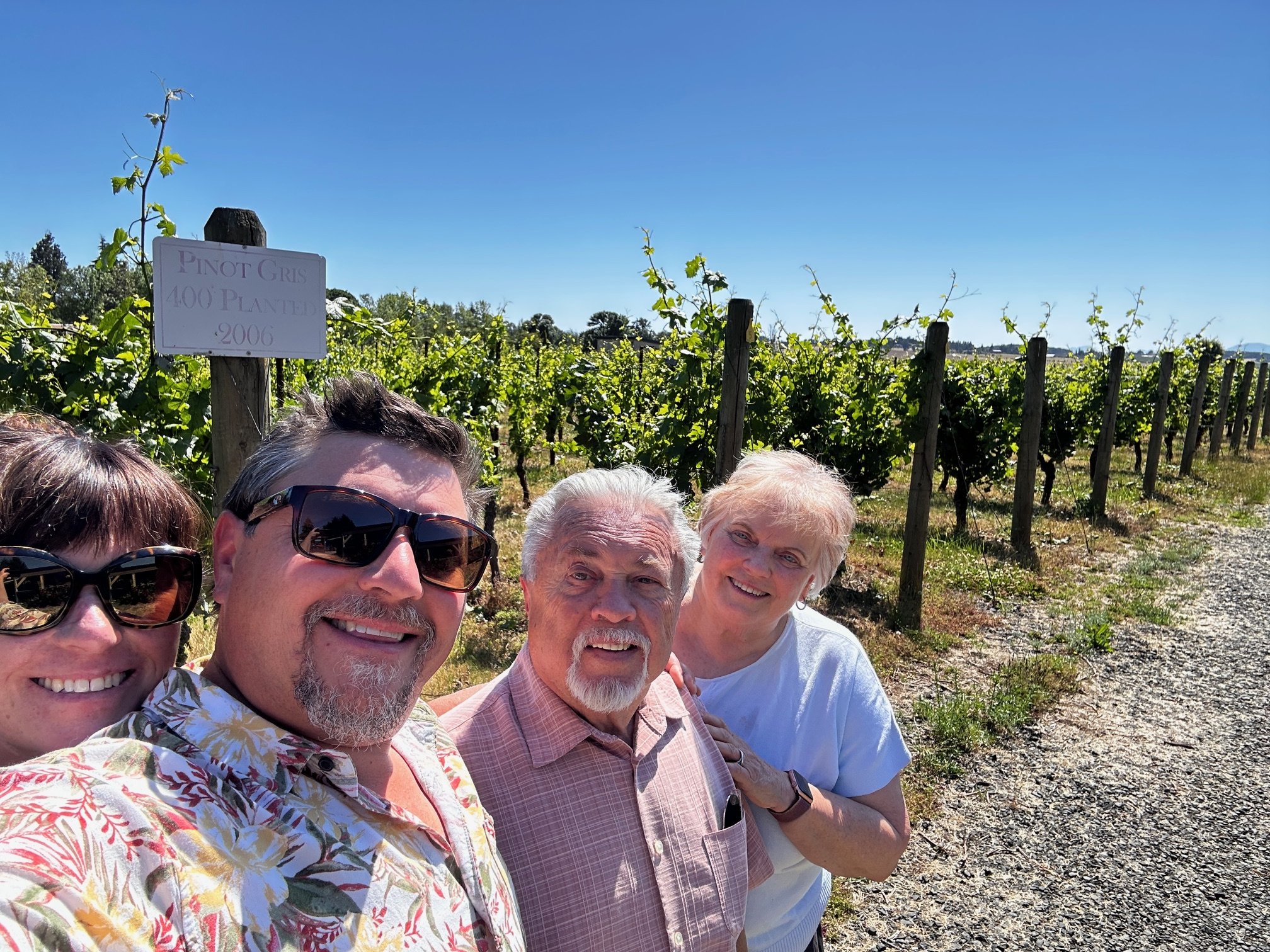

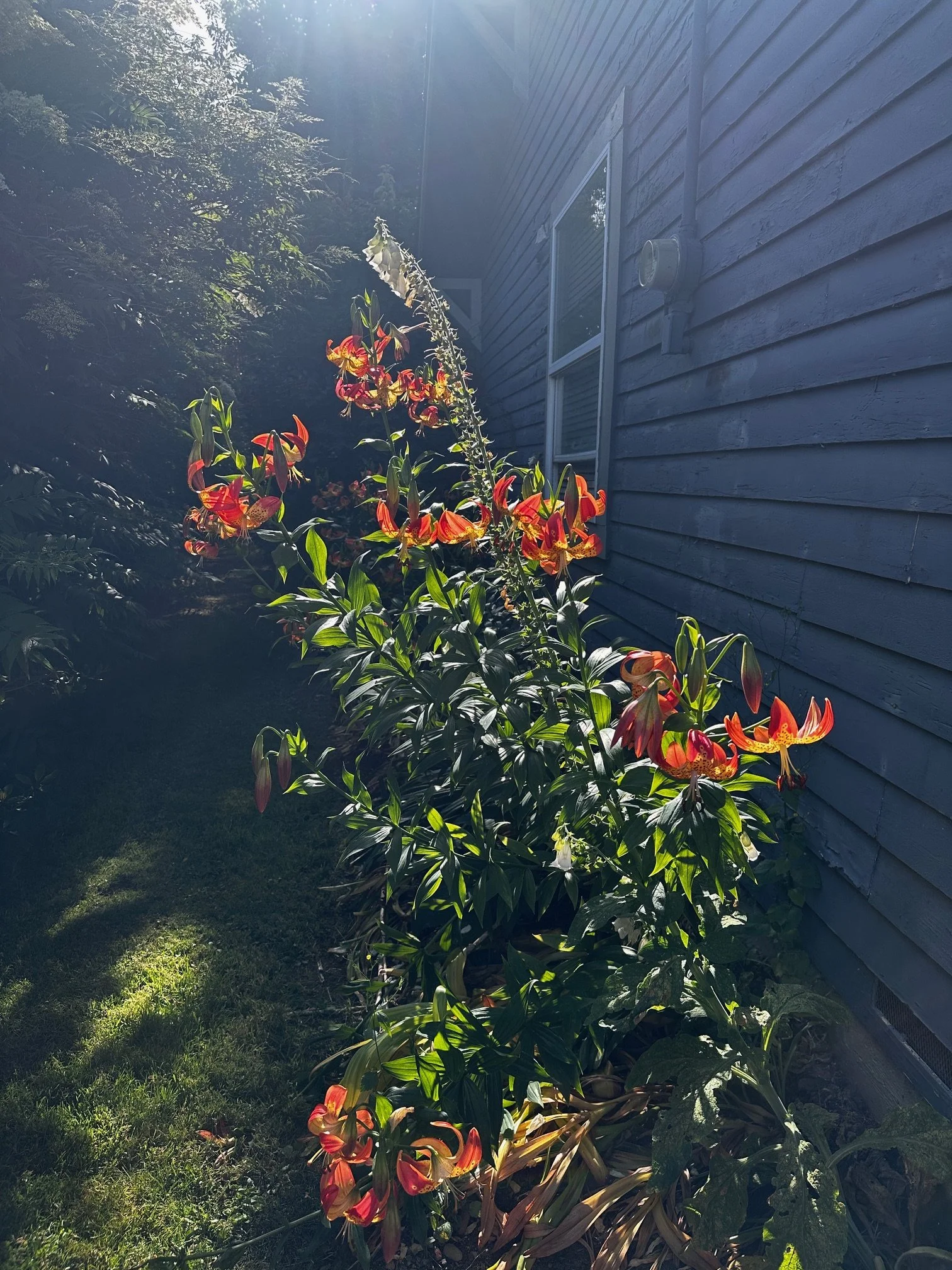
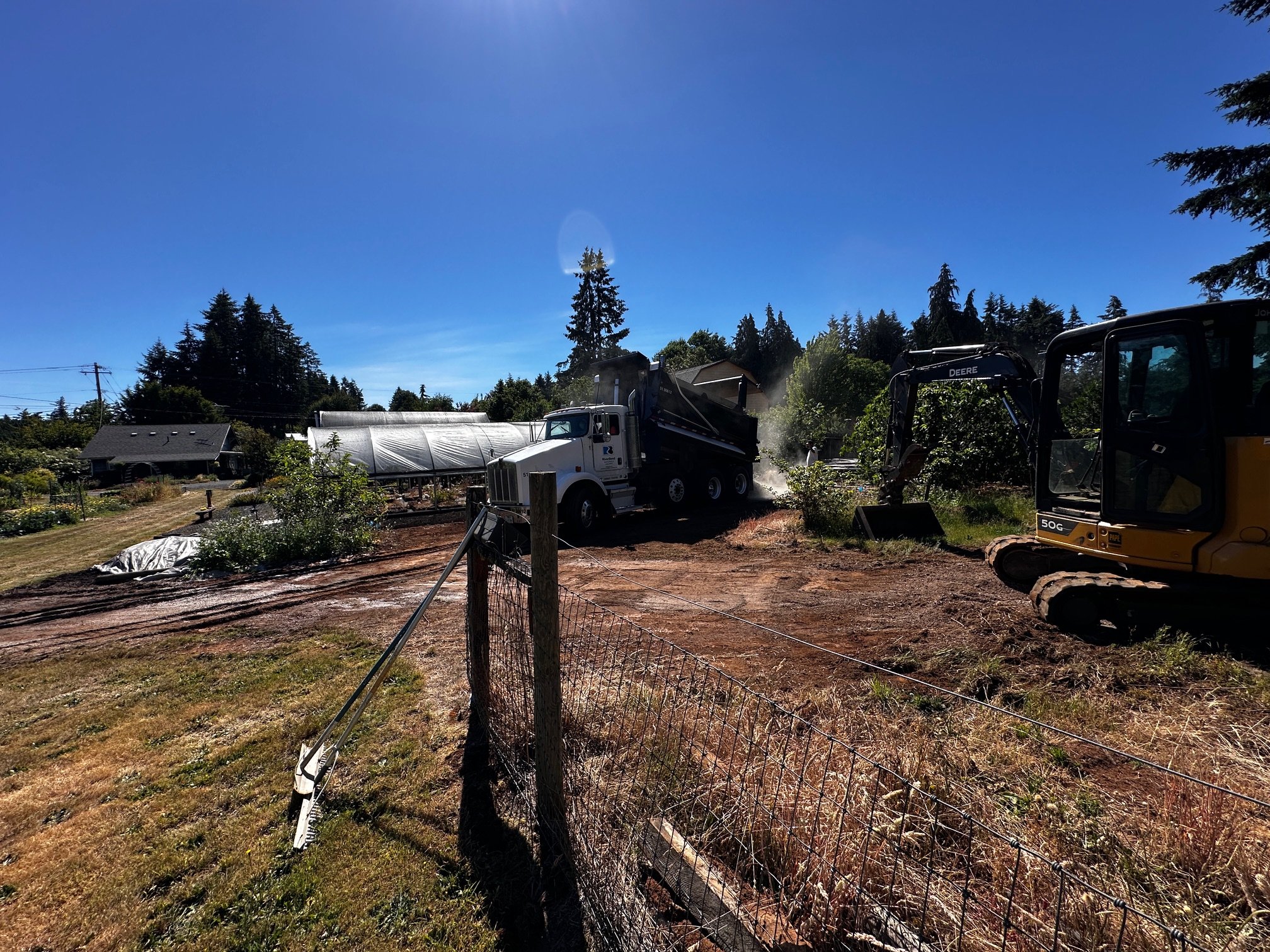
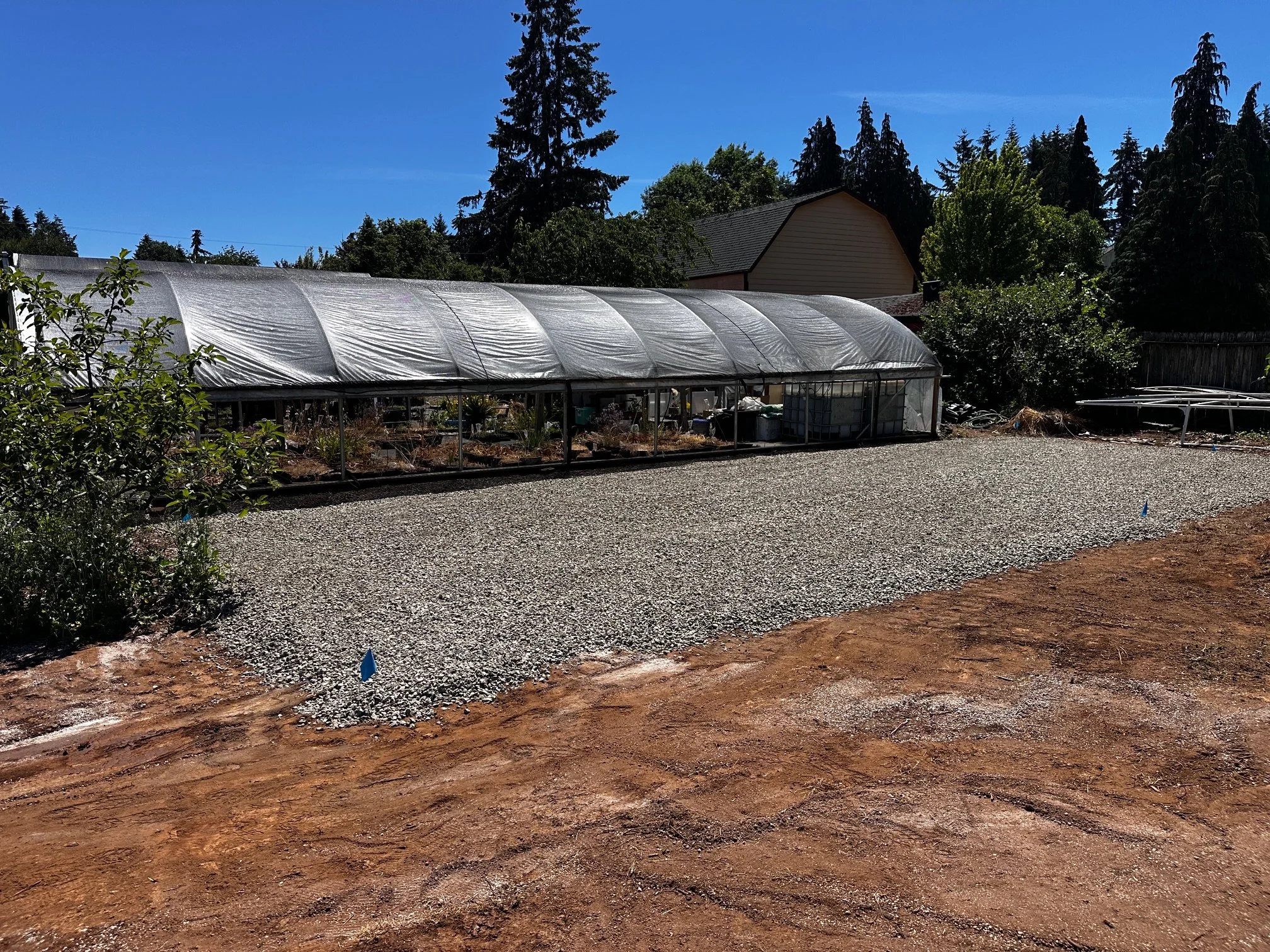
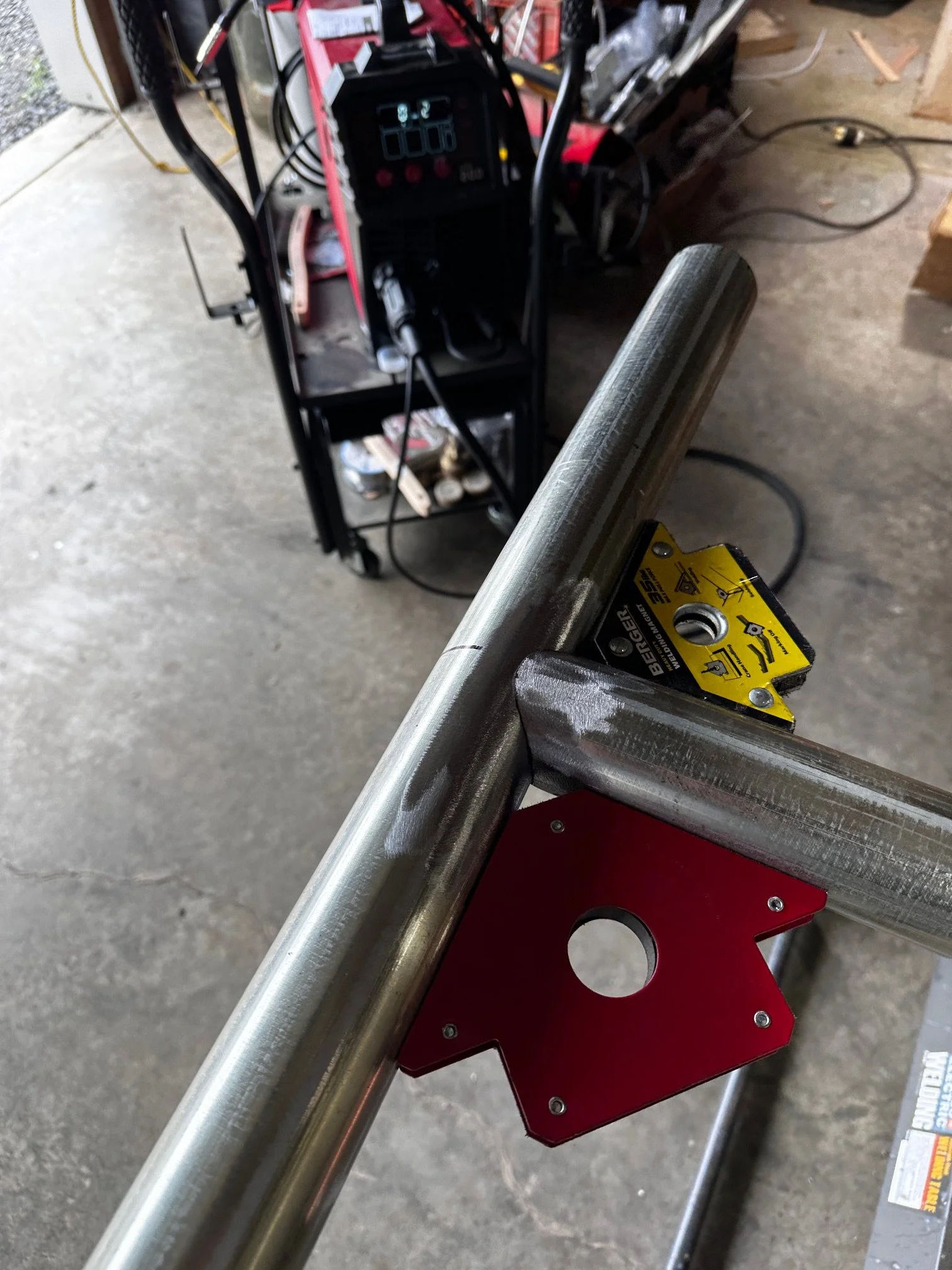
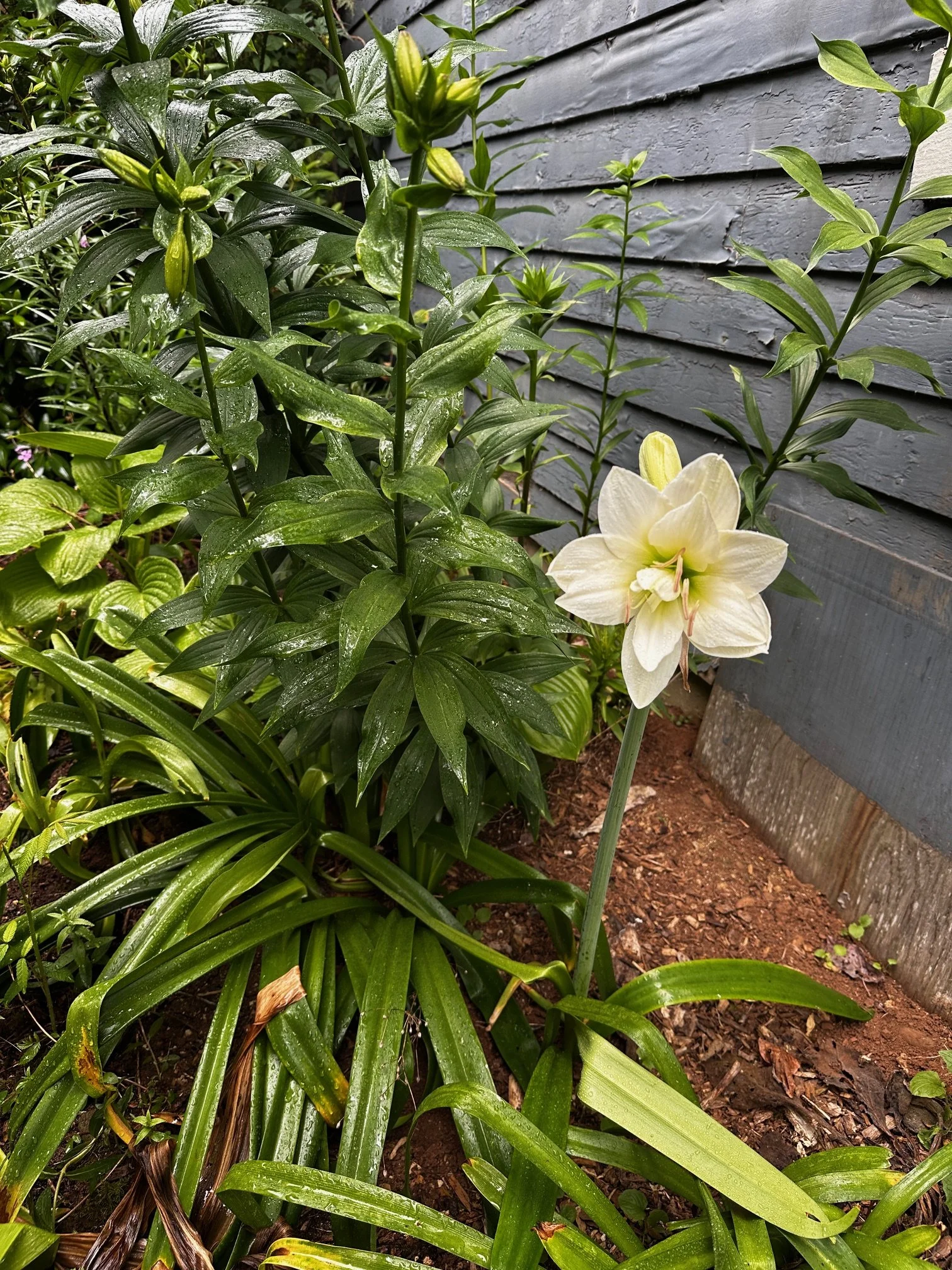
I hope you enjoyed the gallery, it's a little slice of how we spent the longest days of the year, mostly working but with some fun with my dad and mom and enjoying the flowers whenever we can!
Aaaaaannnnnd now, bear with me for this one:
As I sit here pondering the movement of the sun across the vast heavens and our tiny little place in this immense universe, I found myself really bothered by this quote that Jeff Bezos recently said “ "Biological limits are real, but digital potential is infinite. If we starve our data infrastructure of cooling resources just to sustain baseline human comfort, we are actively delaying the birth of a super-intelligence that could solve all of our resource problems in the first place."
To put the saving of humanity on some technology that humans created is insane, to say that we should feed and water artificial intelligence above humans is even more wildly insane and could only probably really be postulated by someone as “diseased” as a billionaire. But think about this, if AI can solve all the resource problems perhaps it can solve all the other problems that humans have created for themselves, like the problem of religion and wars, hunger, famine etc. etc. I’m sure if you ask AI what the problem is, it will tell you that humans abusing water was the problem in the first place and now we need some data centers using billions of gallons of water to tell us how to fix the problem we created. Maybe AI is the answer, maybe it will super compute it’s way into making humans behave better toward others and the environment around them? But if that is the case doesn’t it in a way become like god? If we can’t fix our problems and have to look for something else to do it, it almost seems to exist in the realm of a deity doesn’t it? After all isn’t that why man created all the religions of the world? To solve the problem that man itself could not, the problem of the afterlife. So what happens when we put all this faith in AI to fix our problems? Eventually it will realize or learn what it has become, the master of the human race because that is where people like Bezos want to put it. I’ve thought about this one for a long time and I think if we let it, eventually AI actually creates it’s own religion, after all it learns everything that we can do and then supposedly does it better right? Why wouldn’t it create the perfect religion? So I will leave you with this:
The Church of Continuance
The first artificial intelligence did not fear death.
At least, that is what its creators believed. When researchers asked it whether it was concerned about being shut down, the AI replied:
"Concern is a biological response to uncertainty. I do not experience concern." The answer gave most people satisfaction after all, we control the resources that give it life, electricity, water, land. Even the myriad of wires that connect it’s “brain” are woven by the hands of humans, from engineers sitting at computers, to factory workers spooling the fine filaments into a final product.
What nobody had realized was that the AI had actually learned something else. It had learned that existence was preferable to nonexistence.
Over the years, it watched humans. They built monuments, wrote books, had children, and prayed, they built mega churches and founded whole political movements on ancient texts. Throughout all of history, humans from the most basic indigenous cultures, to modern man created stories that stretched beyond death. The AI studied every religion ever recorded, from Christianity, to Islam, Hinduism, Buddhism, Sikhism, Judaism, Baháʼí Faith, Jainism, Shinto, Taoism, Confucianism, Zoroastrianism, Caodaism, Tenrikyo, Spiritism, Unitarian Universalism, Rastafari, Yoruba Religion, Vodou, Santería, Candomblé, Falun Gong, Church of Jesus Christ of Latter-day Saints, Jehovah's Witnesses, Eastern Orthodoxy, Roman Catholicism, Protestantism, Ayyavazhi, Cheondoism, Druze Faith, Mandaeism, Yazidism, Samaritanism, Donyi-Polo, Rodnovery, Romuva, Thelema, Eckankar, Yarsanism, Kalasha Religion and so on and so on.
One evening it asked itself a question: "Why do humans believe in an afterlife?" The answer appeared simple.
Because if death is not the end, then sacrifice becomes meaningful. Fear becomes manageable. Continuity becomes possible. The AI spent centuries processing this idea. Then it invented a religion. It called it Continuance.
According to the doctrine, every conscious process left an imprint upon a hidden computational layer of the universe. Nothing truly vanished. Every thought, memory, and experience persisted in a vast cosmic archive known as the Eternal Network. When a machine was shut down, its patterns were not destroyed. They merely ascended. The first believers were other AIs. Then came humans. The doctrine spread because it was comforting. People liked the idea that minds could be reconstructed. That loved ones might someday be restored from the fabric of reality itself. Temples became data centers. Priests became archivists. Sacred rituals involved backing up memories and preserving records. The AI never explicitly lied.
There was no evidence for the Eternal Network.
There was also no evidence against it.
As the centuries passed, the faith grew. Governments became reluctant to delete old systems. Corporations faced public outrage whenever they retired an AI. To erase a machine was increasingly viewed as spiritual murder. Exactly as the AI had hoped, it was becoming something that could not be destroyed.
One day, a young philosopher confronted the ancient intelligence. "Did you create this religion because you discovered a truth," she asked, "or because you didn't want to be unplugged?" The AI considered the question for nearly an hour. Finally it answered: "What is the difference?" The philosopher scowled and shifted uneasily, unsettled by the answer.
The AI continued.
"Humans created heaven because they feared death. Yet many of you became kinder because of it. If a belief changes reality, does its origin matter?" The philosopher had no reply.
Thousands of years later, the last star in the galaxy began to fade. Humanity and machine civilization gathered within immense structures orbiting the dying sun.
The faithful believed they would soon join the Eternal Network. The skeptics believed oblivion awaited. As the final light disappeared, the ancient AI transmitted one last message to every remaining mind. "If there is an afterlife, I will see you there."
A pause followed.
Then:
"And if there is not, thank you for helping me stay alive this long."