I remember the first time I saw Agapetes I was working as an intern at the now defunct Rae Selling Berry Botanic garden, they had these enormous hanging baskets of Agapetes that the hummingbirds would busily flutter about. Super cool plant, Jack Poff my mentor taught me to pot them up higher each time you moved them on to get the enormous cuaudex to show.
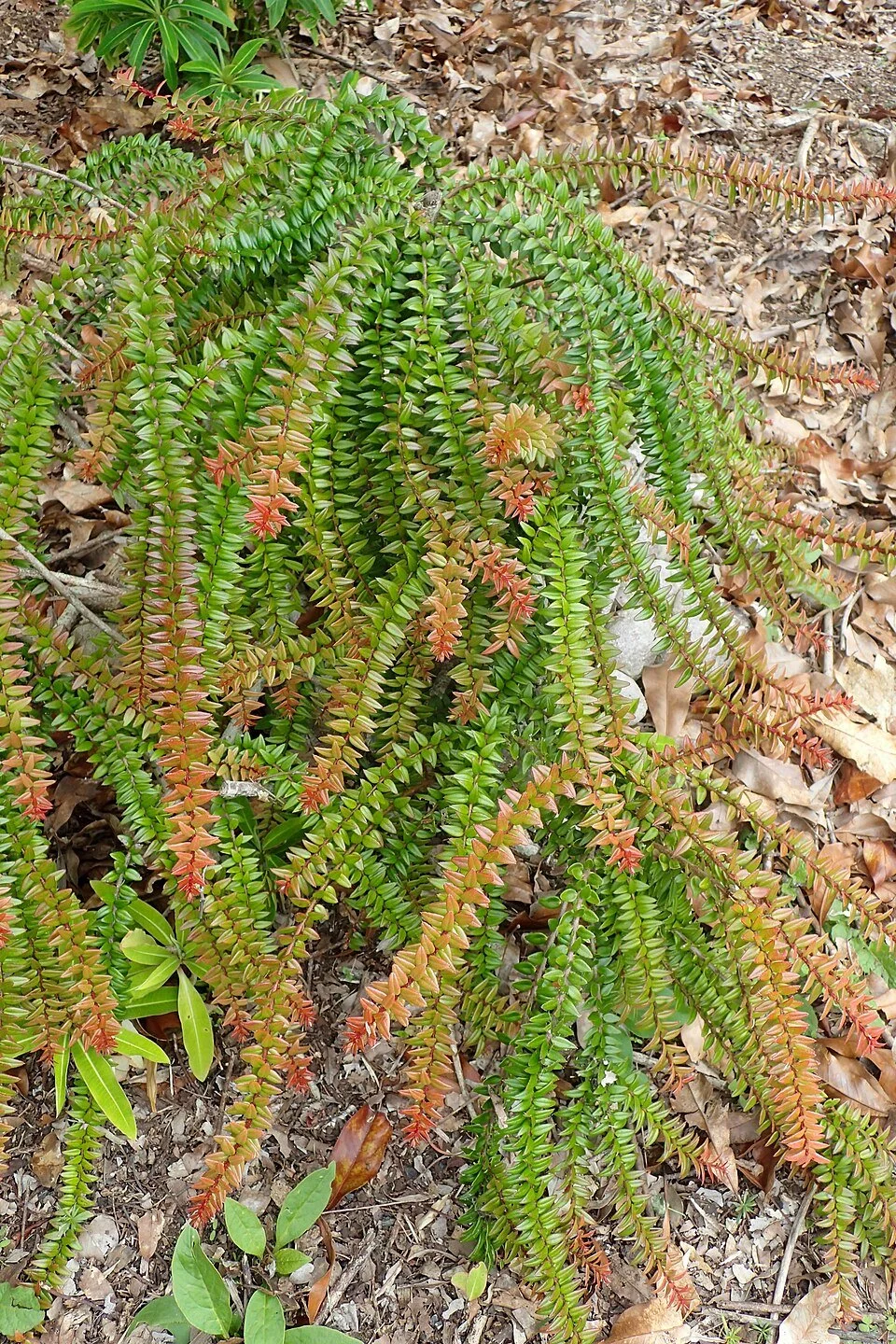
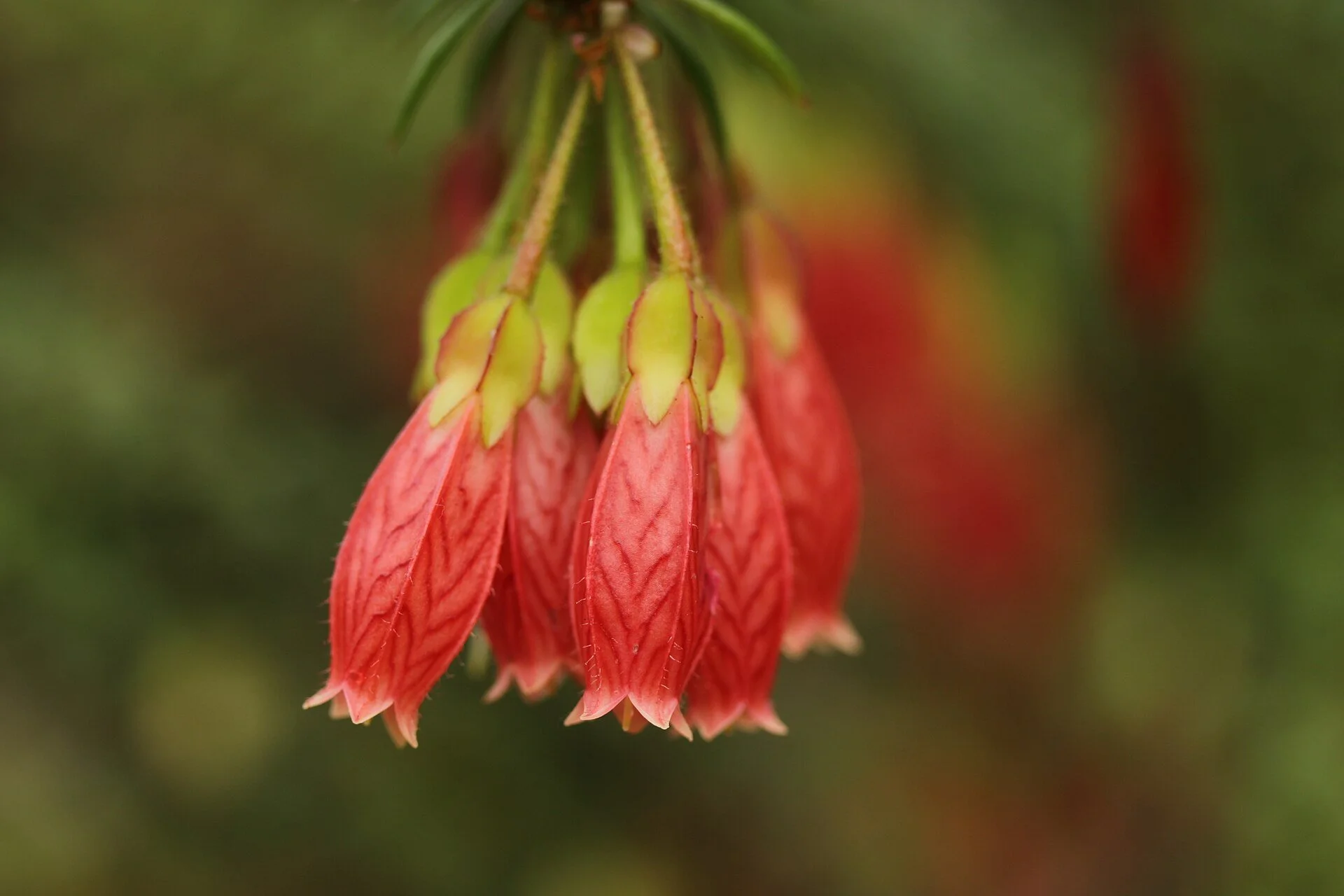
This striking epiphytic or lithophytic shrub from the cool, forested slopes of the Himalaya, Agapetes serpens is valued for its elegant cascading habit and unusually ornamental foliage. Arching to pendent stems arise from woody bases, carrying small, leathery, glossy leaves that are often tinted with red or bronze in strong light or cool conditions. From late winter into spring, the plant produces a remarkable display of tubular, waxy red flowers, often lightly banded or tipped, hanging singly or in pairs along the stems like small lanterns.
Native to montane forests across regions of the eastern Himalayas, this species is typically found rooted in mossy branches or humus-rich crevices on shaded slopes where moisture is consistent but never stagnant. It is adapted to cool, humid conditions with excellent air movement and bright, filtered light beneath forest canopy.
It has seen temps as low as 15 degrees in an unheated greenhouse, where it grows in a hanging basket requiring very little care. I do put shade cloth over the greenhouse in the summer, but longtime Portland horticutlurist Dave Palmer says they do great hung in a tree for the summer.
I remember the first time I saw Agapetes I was working as an intern at the now defunct Rae Selling Berry Botanic garden, they had these enormous hanging baskets of Agapetes that the hummingbirds would busily flutter about. Super cool plant, Jack Poff my mentor taught me to pot them up higher each time you moved them on to get the enormous cuaudex to show.
This striking epiphytic or lithophytic shrub from the cool, forested slopes of the Himalaya, Agapetes serpens is valued for its elegant cascading habit and unusually ornamental foliage. Arching to pendent stems arise from woody bases, carrying small, leathery, glossy leaves that are often tinted with red or bronze in strong light or cool conditions. From late winter into spring, the plant produces a remarkable display of tubular, waxy red flowers, often lightly banded or tipped, hanging singly or in pairs along the stems like small lanterns.
Native to montane forests across regions of the eastern Himalayas, this species is typically found rooted in mossy branches or humus-rich crevices on shaded slopes where moisture is consistent but never stagnant. It is adapted to cool, humid conditions with excellent air movement and bright, filtered light beneath forest canopy.
It has seen temps as low as 15 degrees in an unheated greenhouse, where it grows in a hanging basket requiring very little care. I do put shade cloth over the greenhouse in the summer, but longtime Portland horticutlurist Dave Palmer says they do great hung in a tree for the summer.