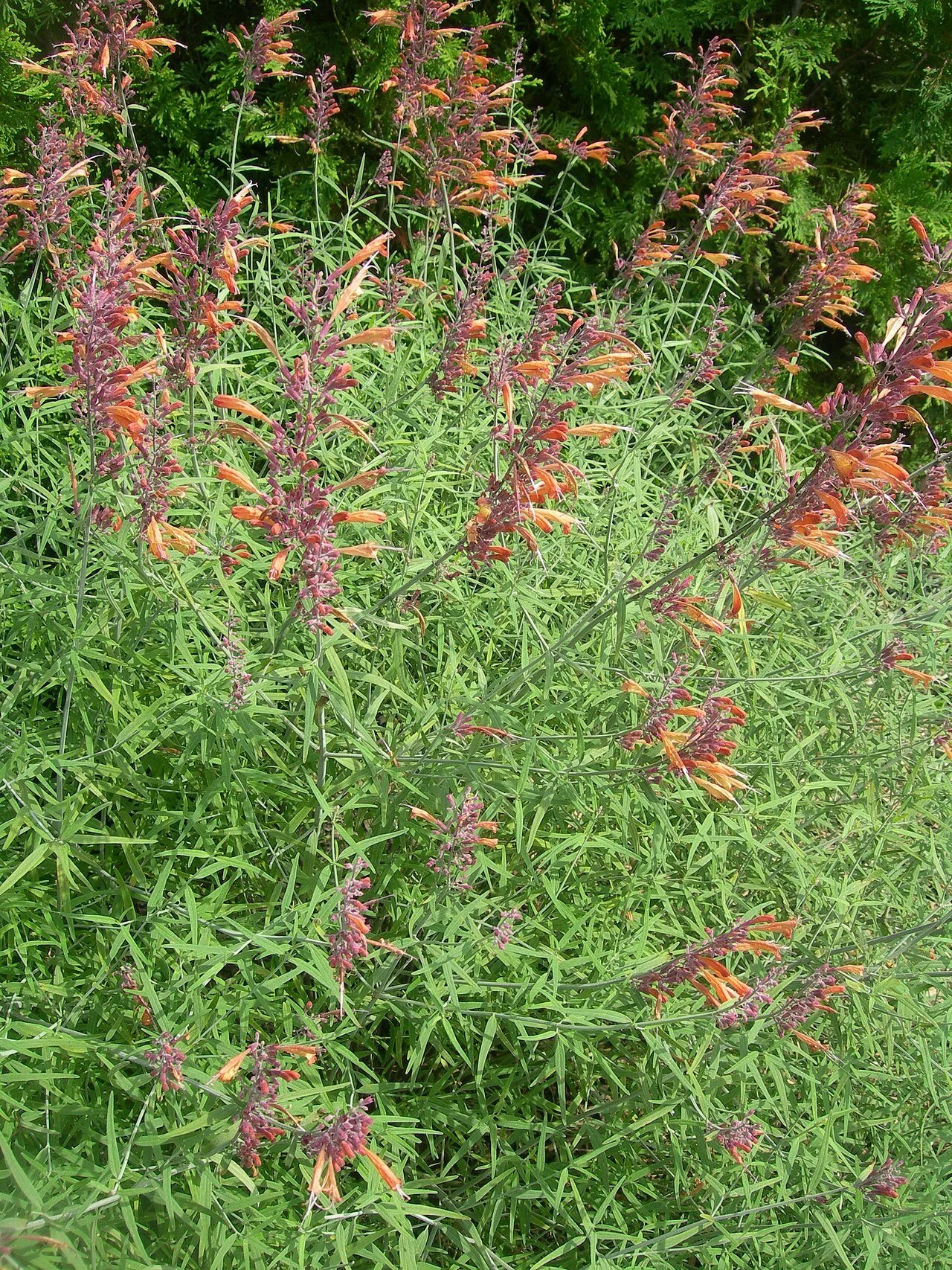
Agastache rupestris — Threadleaf Hyssop/Licorice mint
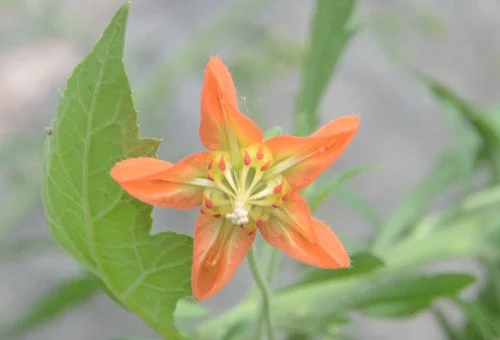
A striking southwestern native with narrow, aromatic gray-green foliage and brilliant spikes of tubular flowers in warm shades of salmon, orange, and pink, set against dark purplish calyces. The flowers are especially attractive to hummingbirds, making this an excellent plant for a wildlife-friendly garden. Super fragrant foliage will make you feel like you are drinking pernod or maybe you just took a shot of jagermeister.
Agastache rupestris is native to the mountains of Arizona and New Mexico, where it grows on dry, rocky slopes, granite outcrops, talus and in open mountain woodland, often between 1,500 and 2,300 m (5,000–7,500 ft). Its specific epithet, rupestris, refers to its rocky habitat.
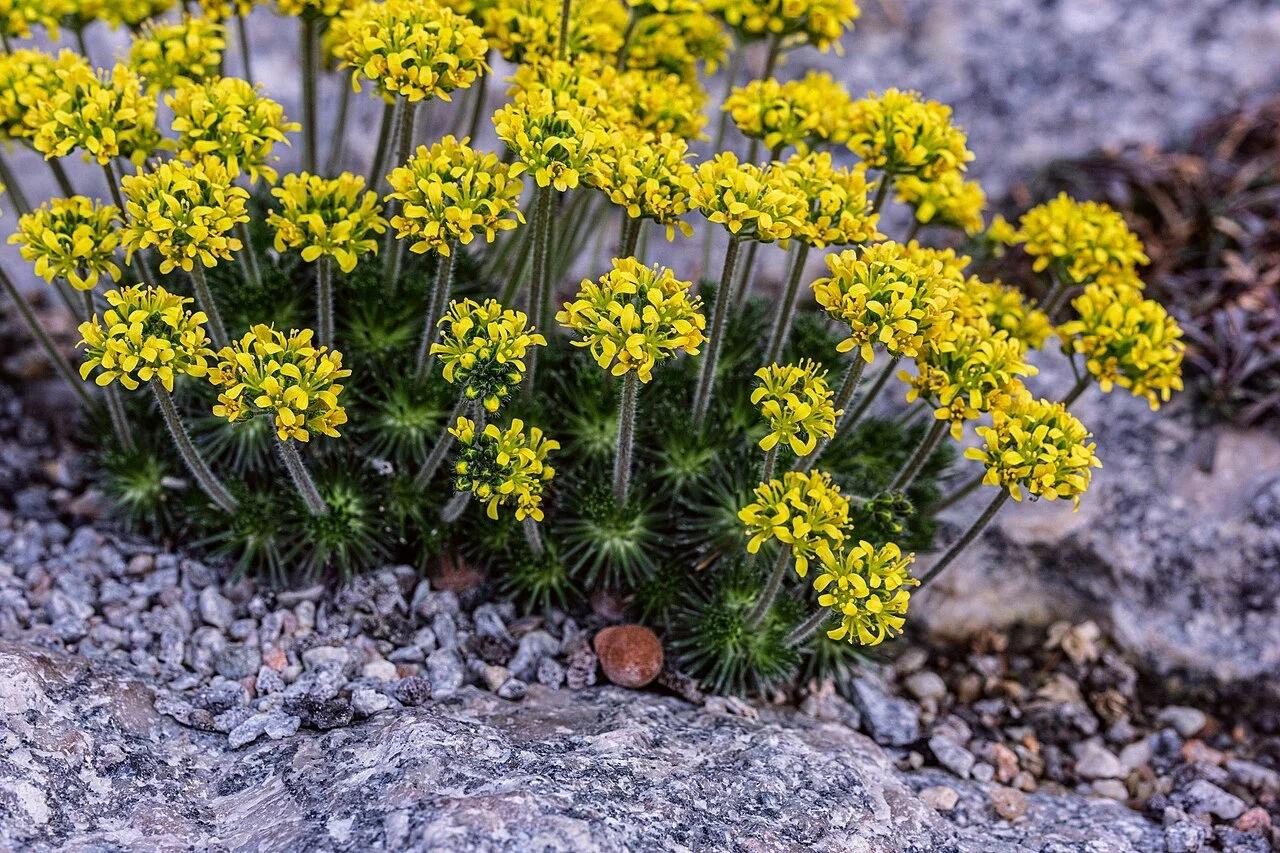
An excellent choice for the dry rock garden, scree garden or xeric border, where sharp drainage and full sun allow it to thrive. It is particularly useful where a rock garden needs a taller vertical accent without sacrificing its drought-tolerant character. Avoid heavy, poorly drained soils, especially in winter.
Agastache rupestris — Threadleaf Hyssop/Licorice mint
A striking southwestern native with narrow, aromatic gray-green foliage and brilliant spikes of tubular flowers in warm shades of salmon, orange, and pink, set against dark purplish calyces. The flowers are especially attractive to hummingbirds, making this an excellent plant for a wildlife-friendly garden. Super fragrant foliage will make you feel like you are drinking pernod or maybe you just took a shot of jagermeister.
Agastache rupestris is native to the mountains of Arizona and New Mexico, where it grows on dry, rocky slopes, granite outcrops, talus and in open mountain woodland, often between 1,500 and 2,300 m (5,000–7,500 ft). Its specific epithet, rupestris, refers to its rocky habitat.
An excellent choice for the dry rock garden, scree garden or xeric border, where sharp drainage and full sun allow it to thrive. It is particularly useful where a rock garden needs a taller vertical accent without sacrificing its drought-tolerant character. Avoid heavy, poorly drained soils, especially in winter.