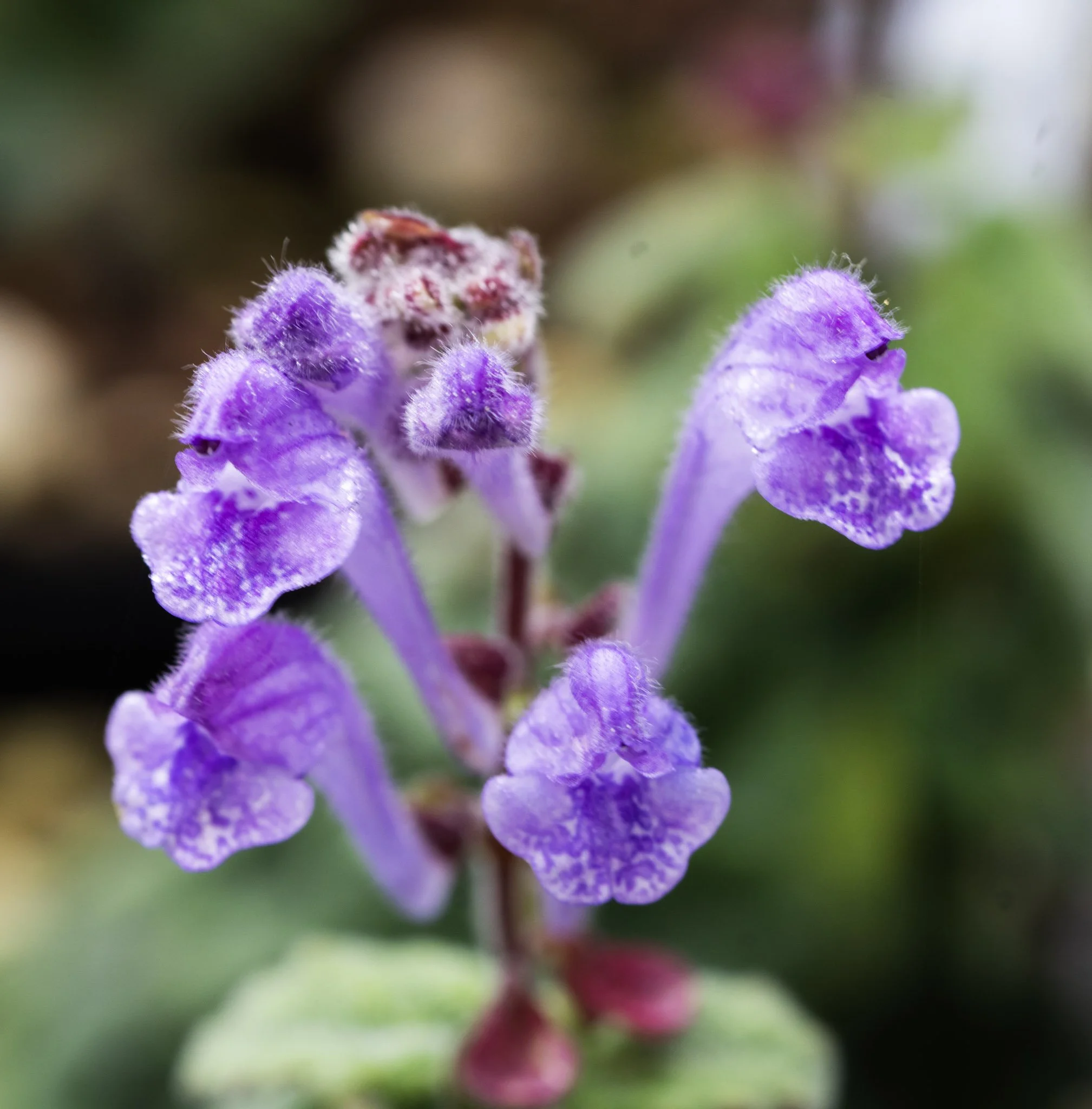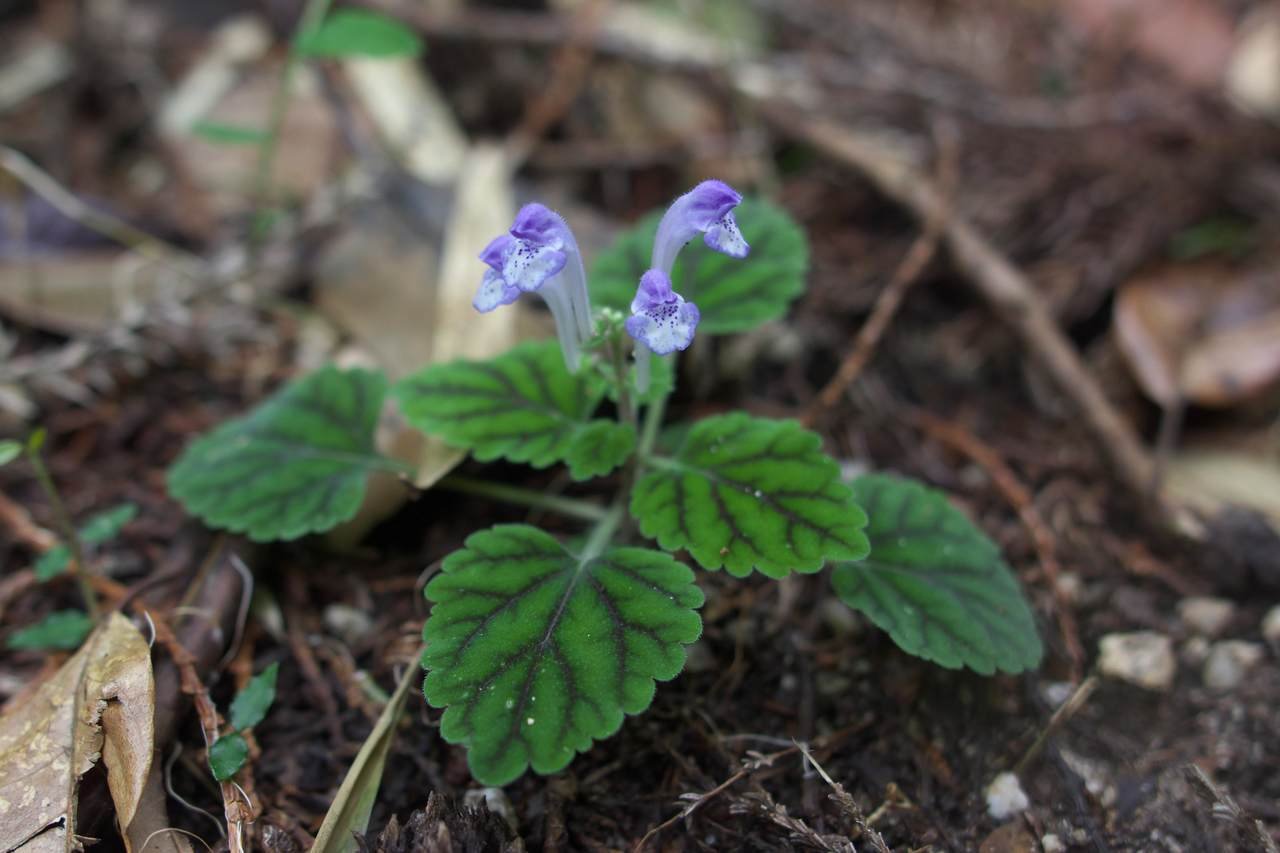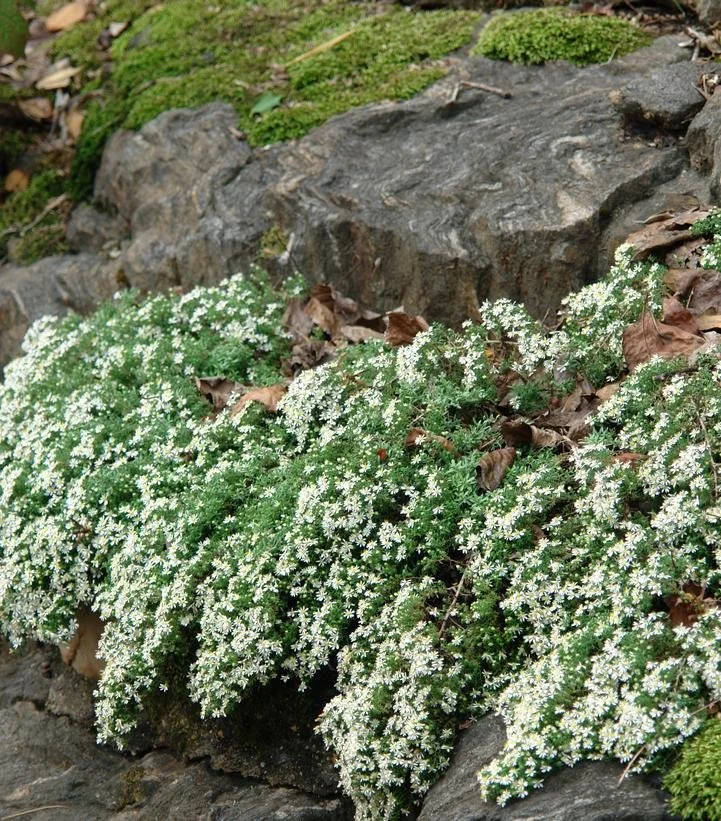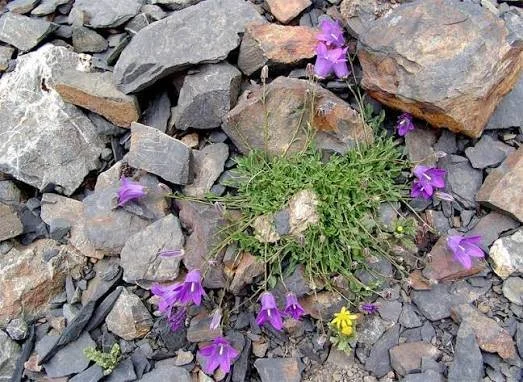
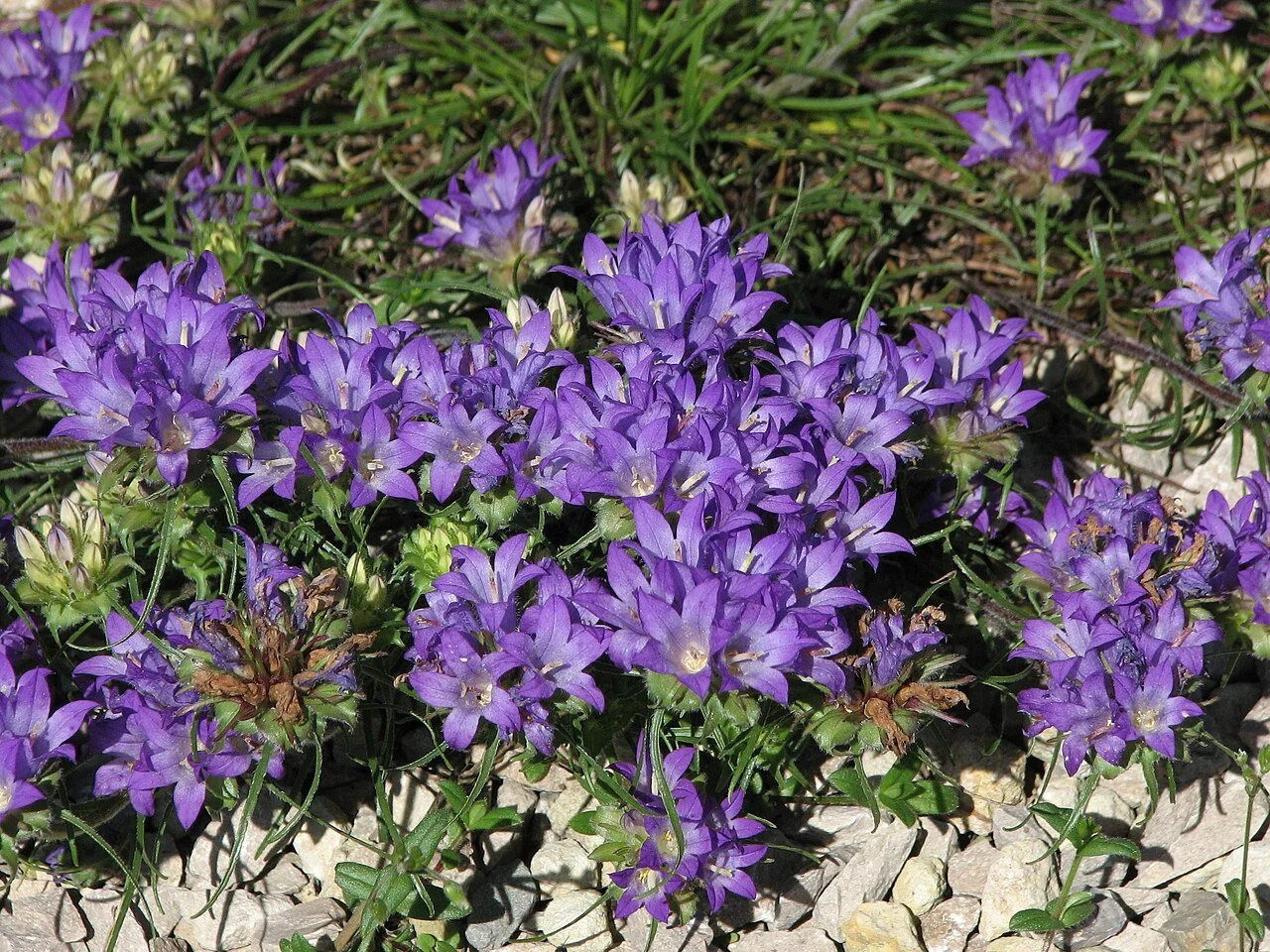
A beautiful Balkan bellflower forming dense tufts of narrow, grass-like leaves, with short stems topped by rounded clusters of violet-blue, bell-shaped flowers. Edraianthus graminifolius is a widespread and variable species of southeastern Europe, occurring from Italy and the Balkans east to Romania and Greece. It is particularly associated with limestone and dolomitic rocks, growing in crevices, screes, rocky grasslands and cliffs from the montane zone into the high alpine.
This is an outstanding rock-garden and crevice plant, particularly where a vertical face of limestone or a well-drained trough can replicate its natural habitat. The narrow foliage forms an attractive evergreen tuft, while the intense blue-violet flowers appear in dense heads held just above the leaves. Give it full sun and very sharp drainage; a gritty, mineral soil with limestone or other alkaline material is ideal. The species is quite variable across its large range, and numerous forms and subspecies have been described, making it an especially interesting plant for collectors of Balkan alpines
A beautiful Balkan bellflower forming dense tufts of narrow, grass-like leaves, with short stems topped by rounded clusters of violet-blue, bell-shaped flowers. Edraianthus graminifolius is a widespread and variable species of southeastern Europe, occurring from Italy and the Balkans east to Romania and Greece. It is particularly associated with limestone and dolomitic rocks, growing in crevices, screes, rocky grasslands and cliffs from the montane zone into the high alpine.
This is an outstanding rock-garden and crevice plant, particularly where a vertical face of limestone or a well-drained trough can replicate its natural habitat. The narrow foliage forms an attractive evergreen tuft, while the intense blue-violet flowers appear in dense heads held just above the leaves. Give it full sun and very sharp drainage; a gritty, mineral soil with limestone or other alkaline material is ideal. The species is quite variable across its large range, and numerous forms and subspecies have been described, making it an especially interesting plant for collectors of Balkan alpines