Eriogonum umbellatum var. majus — Subalpine Sulfur Flower
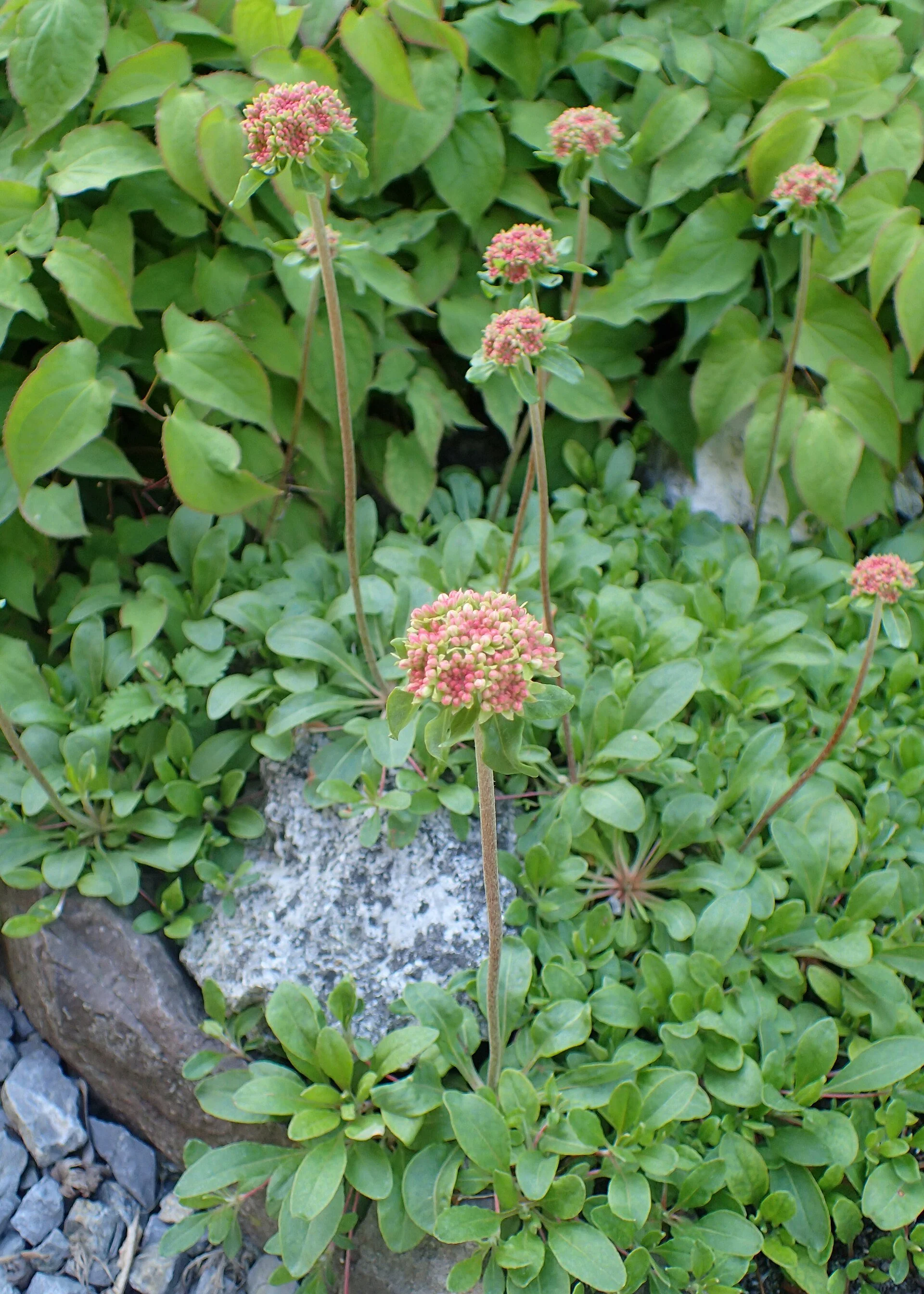
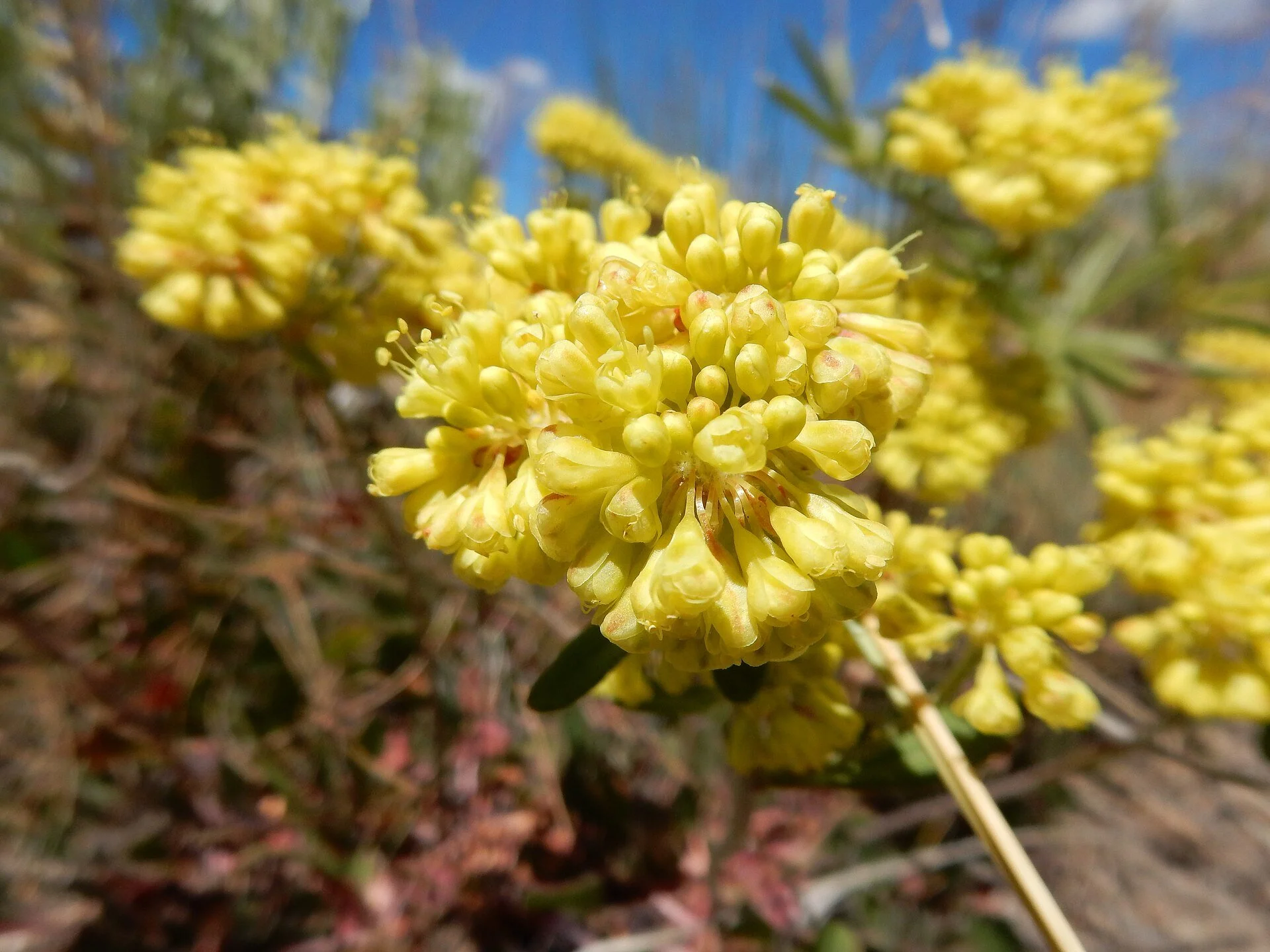
A handsome, low-growing western North American wild buckwheat forming compact mats of evergreen to semi-evergreen rosettes. The rounded, gray-green leaves are often covered with soft white wool beneath, providing an attractive contrast to the branching stems of creamy yellow flowers. Flowering from June into September, the flowers age to attractive shades of pinkish or rusty red.
Native from British Columbia and Alberta south through the Rocky Mountains to Colorado, Eriogonum umbellatum var. majus is a plant of dry, open mountain country. It occurs on sandy and gravelly slopes and ridges, sagebrush communities, mountain meadows, open conifer woodland, and alpine tundra, from roughly 800 to 3,500 m. It is particularly common in the Rocky Mountains and occurs locally in the Cascades.
An excellent plant for the dry rock garden, scree, gravel garden, or sunny crevice. Give it full sun and very sharp drainage; once established it is well adapted to dry conditions. The low, spreading habit allows it to weave naturally among rocks, while the long flowering season provides valuable forage for bees, butterflies, and other pollinators. A superb choice for recreating the open, high-elevation landscapes of the western mountains.
Eriogonum umbellatum var. majus — Subalpine Sulfur Flower
A handsome, low-growing western North American wild buckwheat forming compact mats of evergreen to semi-evergreen rosettes. The rounded, gray-green leaves are often covered with soft white wool beneath, providing an attractive contrast to the branching stems of creamy yellow flowers. Flowering from June into September, the flowers age to attractive shades of pinkish or rusty red.
Native from British Columbia and Alberta south through the Rocky Mountains to Colorado, Eriogonum umbellatum var. majus is a plant of dry, open mountain country. It occurs on sandy and gravelly slopes and ridges, sagebrush communities, mountain meadows, open conifer woodland, and alpine tundra, from roughly 800 to 3,500 m. It is particularly common in the Rocky Mountains and occurs locally in the Cascades.
An excellent plant for the dry rock garden, scree, gravel garden, or sunny crevice. Give it full sun and very sharp drainage; once established it is well adapted to dry conditions. The low, spreading habit allows it to weave naturally among rocks, while the long flowering season provides valuable forage for bees, butterflies, and other pollinators. A superb choice for recreating the open, high-elevation landscapes of the western mountains.