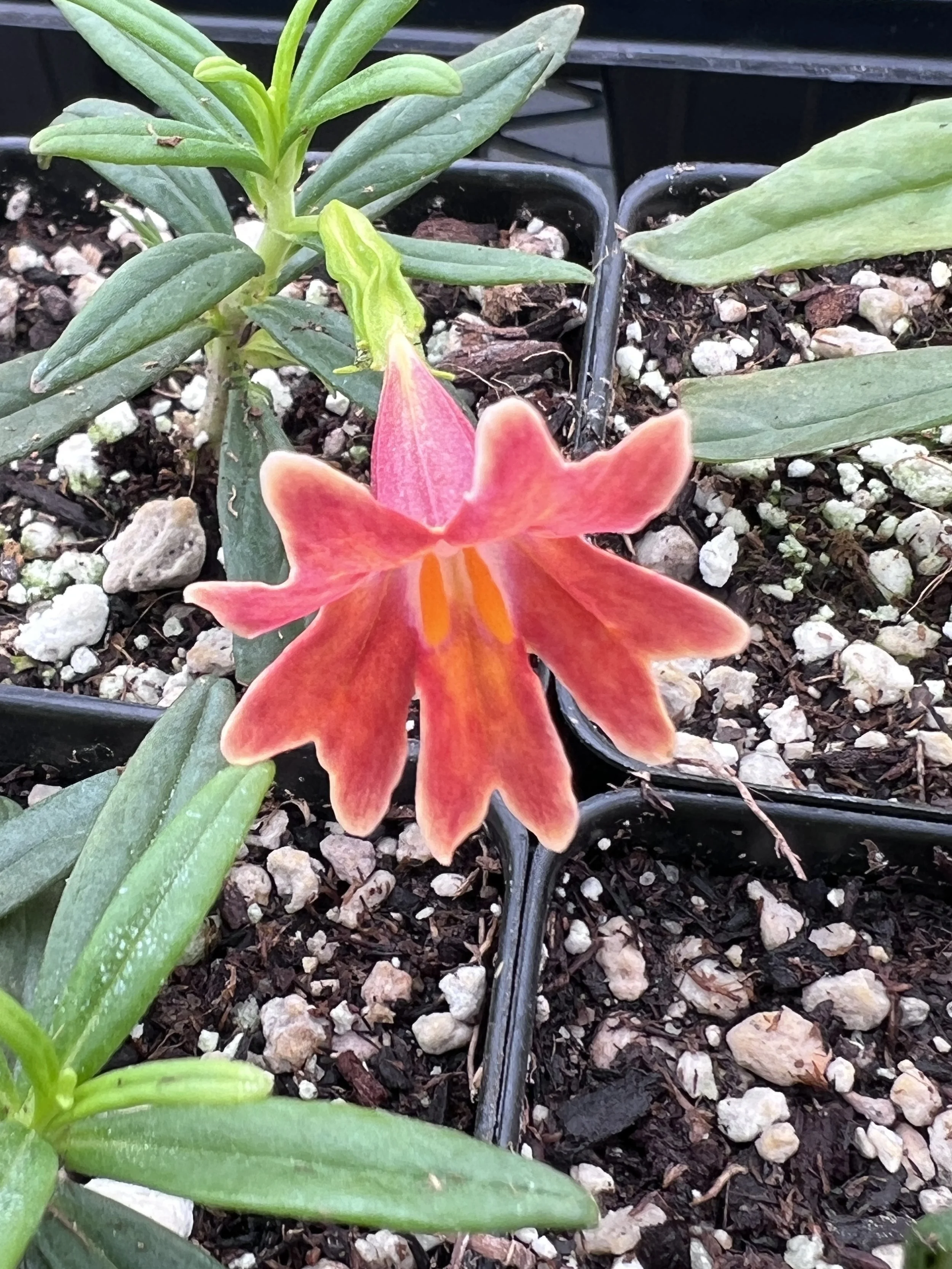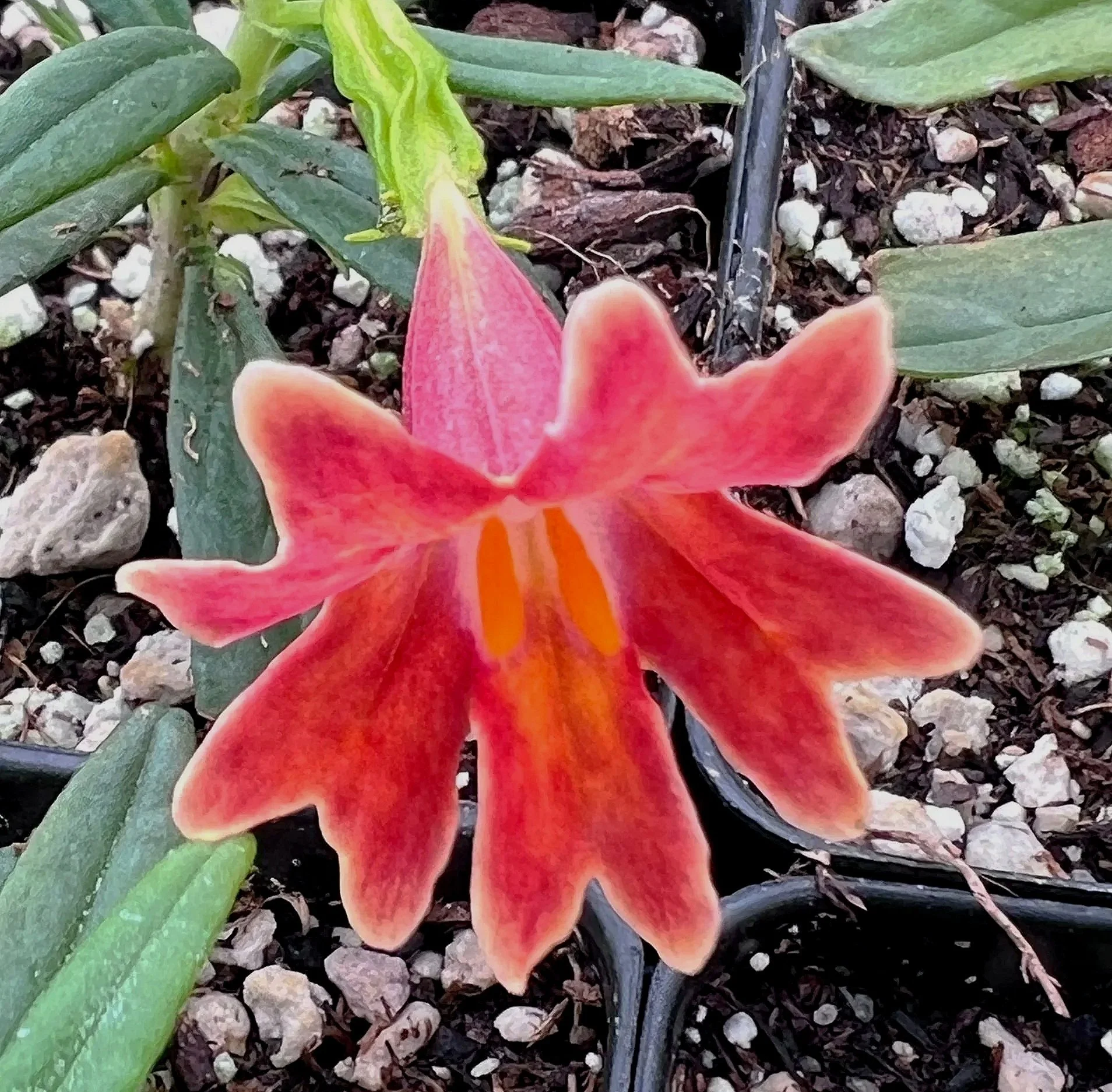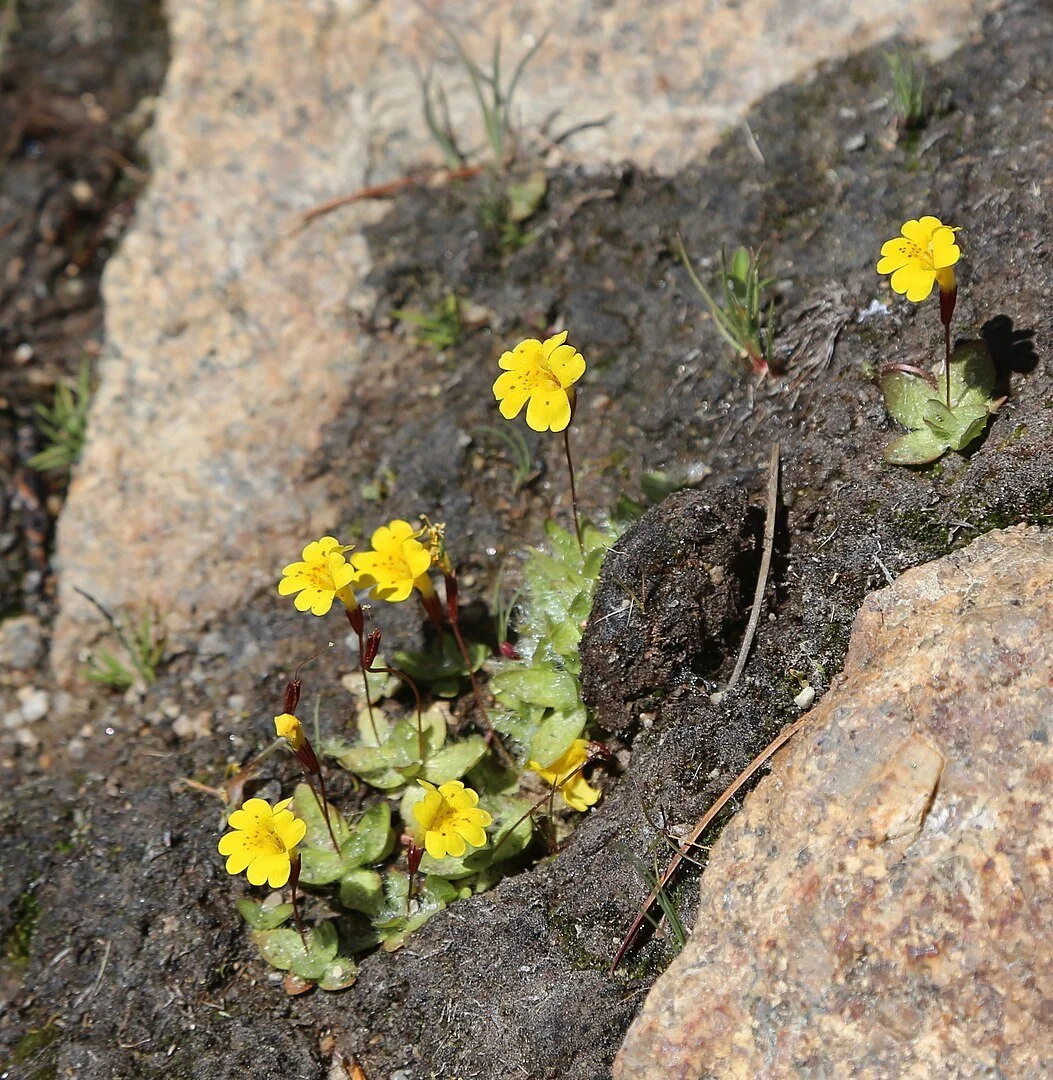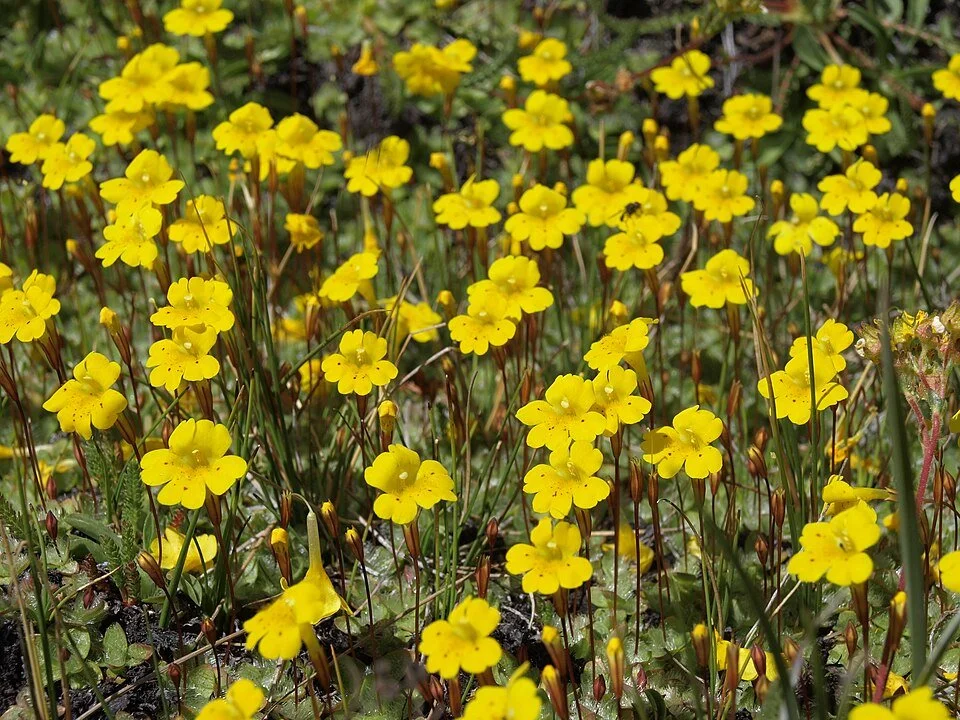
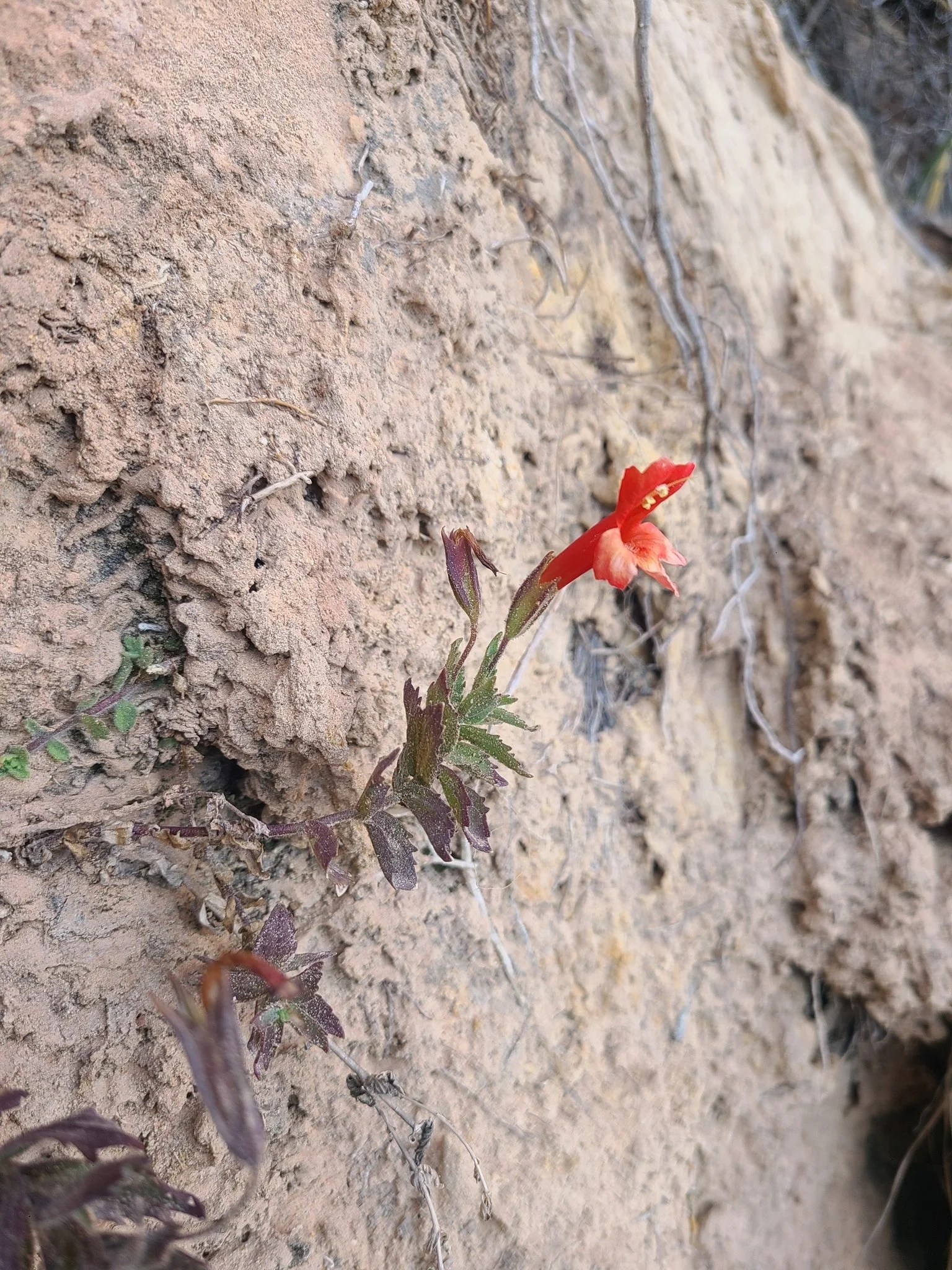
Alplains collection from their archive: “21867.22 (W) Delta Co., CO, 6050ft, 1845m. Grows on vertical and overhanging walls of sandstone seeps. Glandular, dentate foliage produces large, sumptuous, pendant scarlet flowers. Rare endemic”
Erythranthe eastwoodiae is a striking, seep-dependent wildflower native to the canyon systems of the Colorado Plateau in the southwestern United States, particularly Utah and northern Arizona. It grows in vertical and near-vertical cliff faces where constant moisture seeps through sandstone, rooting into thin films of organic material lodged in rock crevices. These hanging-garden habitats create cool, humid microclimates in otherwise arid landscapes.
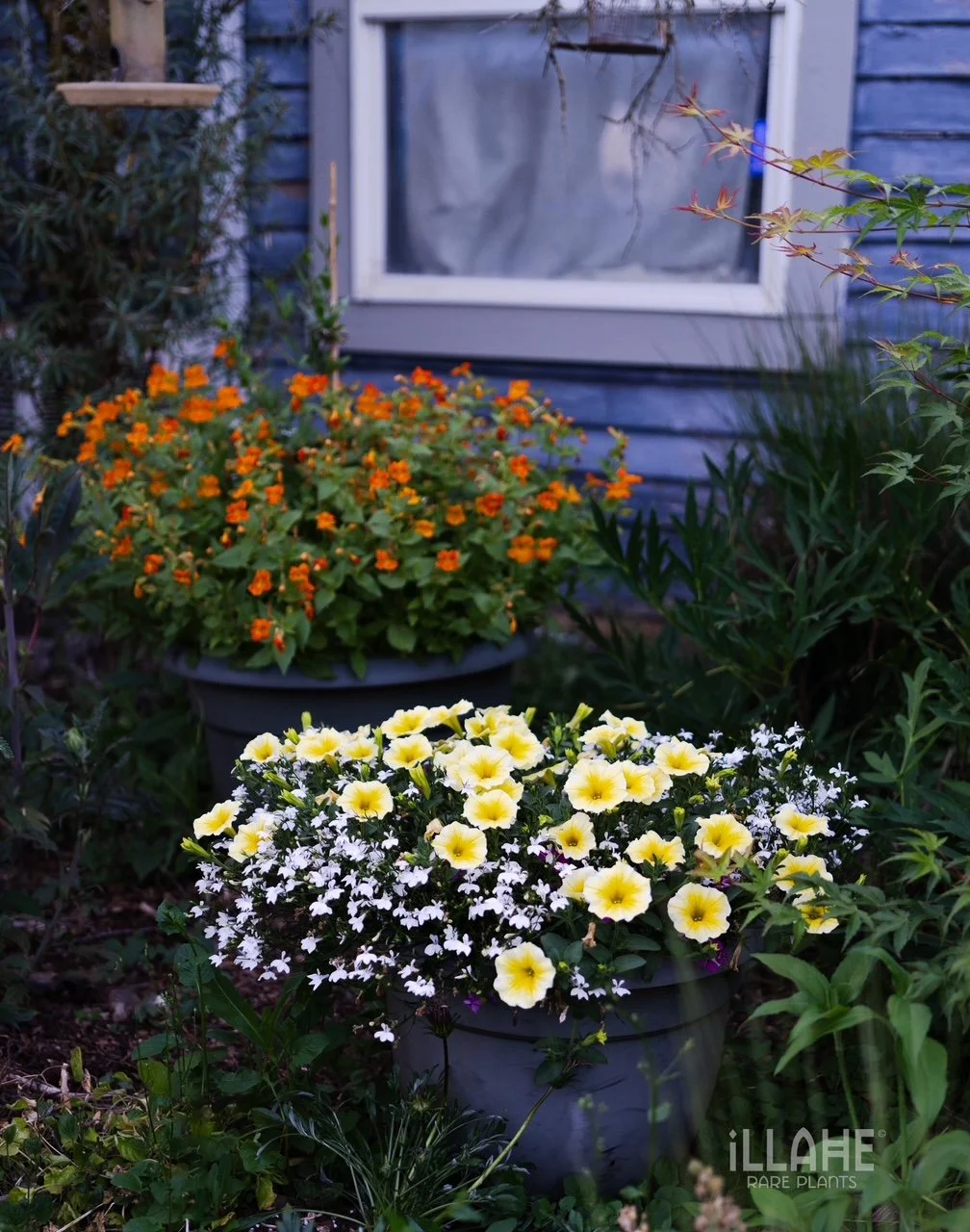
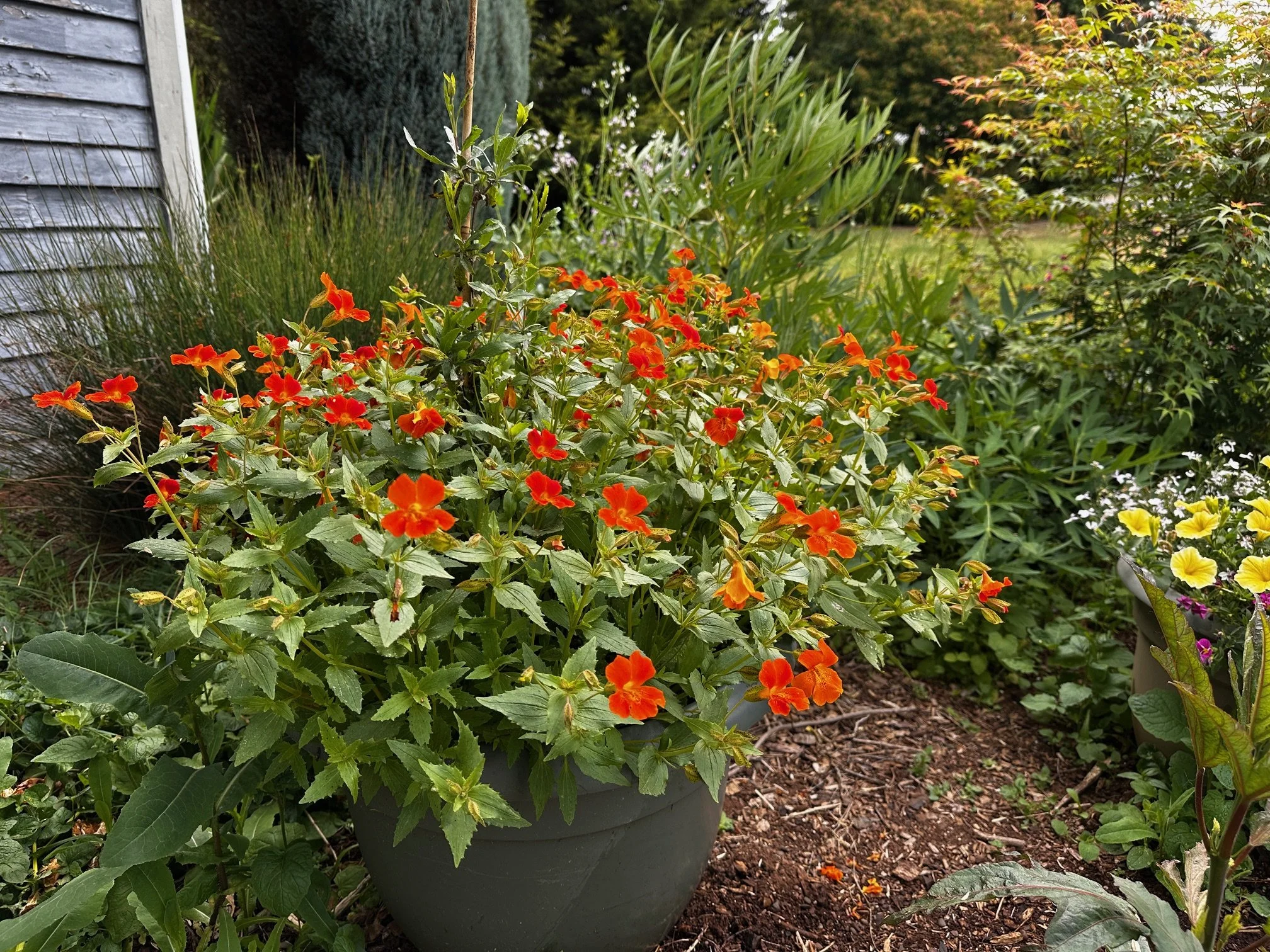
Anyone who really knows me, knows my passion for the humble little monkeyflowers, while not all of them are really suited to rock gardening there are few that I consider the holy grail of this genus. The Death Valley Monkeyflower is my number 1, and this species is my number 2! Many years ago I flowered it and loved it’s creeping, habit, which makes sense since it’s a cliff dweller. At the time I wasn’t growing quantities of plants at all and I let it slip away, since the monkey flowers aren’t known for having Sequioa like longevity. This past year I finally got my hands on some seed again and decided since I needed to share some with Jan for her breeding project that I would clone the best of them. And this is the result. I hope you enjoy this wonderful cliff dwelling, hanging garden desert spectacle. Your hummingbirds will love you for sure! In case you were wondering, my number 3 favorite is M. tricolor.
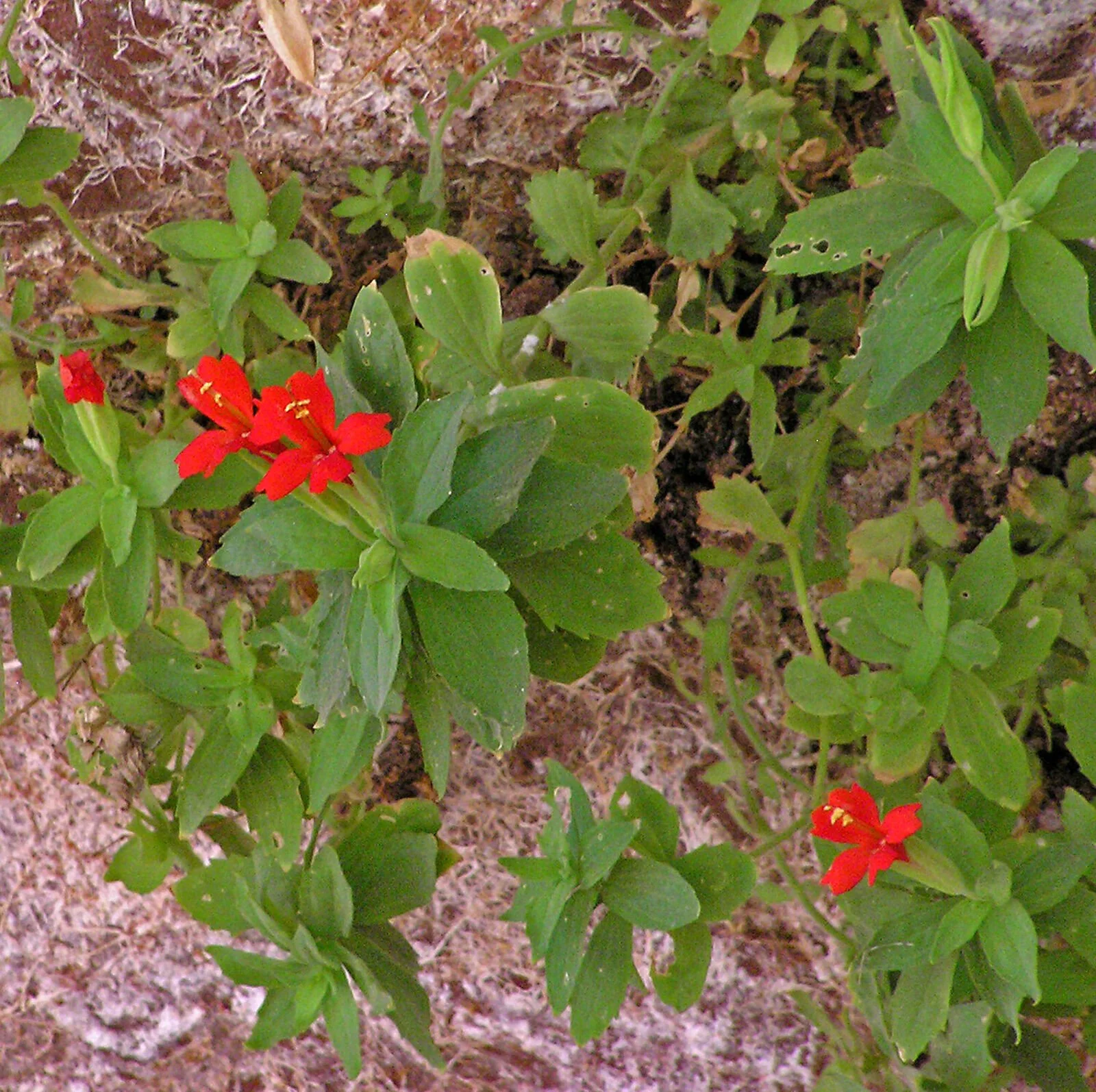
This species is best known for its vivid, tubular flowers in saturated shades of red to orange-red, often with a slightly flared, two-lipped form typical of monkeyflowers. The blossoms appear along short, leafy stems that emerge directly from moist rock seams, creating dramatic vertical ribbons of color against pale sandstone walls. The effect is both delicate and intensely vivid, especially when seen cascading across shaded canyon alcoves.
In cultivation, Erythranthe eastwoodiae requires consistently moist, cool-rooted conditions and sharply defined drainage, making it a specialty plant for bog-edge troughs, seep simulations, or protected rock wall plantings in mild climates. It does not tolerate drying out, yet also resents stagnant conditions, reflecting its highly specific natural niche. Where its requirements are met, it offers one of the most visually dramatic floral displays among North American native monkeyflowers, combining botanical rarity with vivid canyonland beauty.
Alplains collection from their archive: “21867.22 (W) Delta Co., CO, 6050ft, 1845m. Grows on vertical and overhanging walls of sandstone seeps. Glandular, dentate foliage produces large, sumptuous, pendant scarlet flowers. Rare endemic”
Erythranthe eastwoodiae is a striking, seep-dependent wildflower native to the canyon systems of the Colorado Plateau in the southwestern United States, particularly Utah and northern Arizona. It grows in vertical and near-vertical cliff faces where constant moisture seeps through sandstone, rooting into thin films of organic material lodged in rock crevices. These hanging-garden habitats create cool, humid microclimates in otherwise arid landscapes.
Anyone who really knows me, knows my passion for the humble little monkeyflowers, while not all of them are really suited to rock gardening there are few that I consider the holy grail of this genus. The Death Valley Monkeyflower is my number 1, and this species is my number 2! Many years ago I flowered it and loved it’s creeping, habit, which makes sense since it’s a cliff dweller. At the time I wasn’t growing quantities of plants at all and I let it slip away, since the monkey flowers aren’t known for having Sequioa like longevity. This past year I finally got my hands on some seed again and decided since I needed to share some with Jan for her breeding project that I would clone the best of them. And this is the result. I hope you enjoy this wonderful cliff dwelling, hanging garden desert spectacle. Your hummingbirds will love you for sure! In case you were wondering, my number 3 favorite is M. tricolor.
This species is best known for its vivid, tubular flowers in saturated shades of red to orange-red, often with a slightly flared, two-lipped form typical of monkeyflowers. The blossoms appear along short, leafy stems that emerge directly from moist rock seams, creating dramatic vertical ribbons of color against pale sandstone walls. The effect is both delicate and intensely vivid, especially when seen cascading across shaded canyon alcoves.
In cultivation, Erythranthe eastwoodiae requires consistently moist, cool-rooted conditions and sharply defined drainage, making it a specialty plant for bog-edge troughs, seep simulations, or protected rock wall plantings in mild climates. It does not tolerate drying out, yet also resents stagnant conditions, reflecting its highly specific natural niche. Where its requirements are met, it offers one of the most visually dramatic floral displays among North American native monkeyflowers, combining botanical rarity with vivid canyonland beauty.