Phlox ‘Rice Creek’ is a compact, mat-forming selection of creeping phlox believed to Phlox ‘Boothman’s Variety’ is a classic, low-growing selection of creeping phlox long circulated in rock garden collections, although rarely seen today.
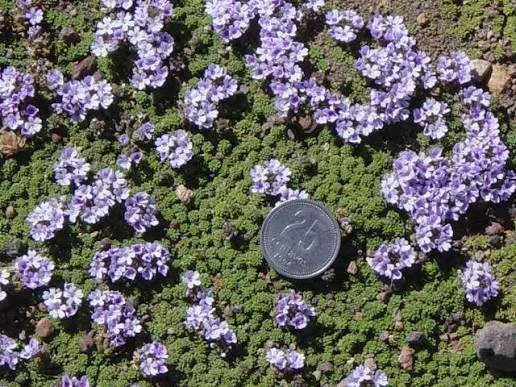
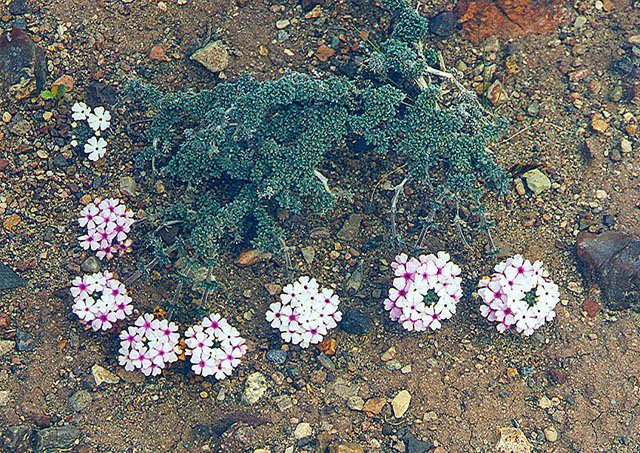
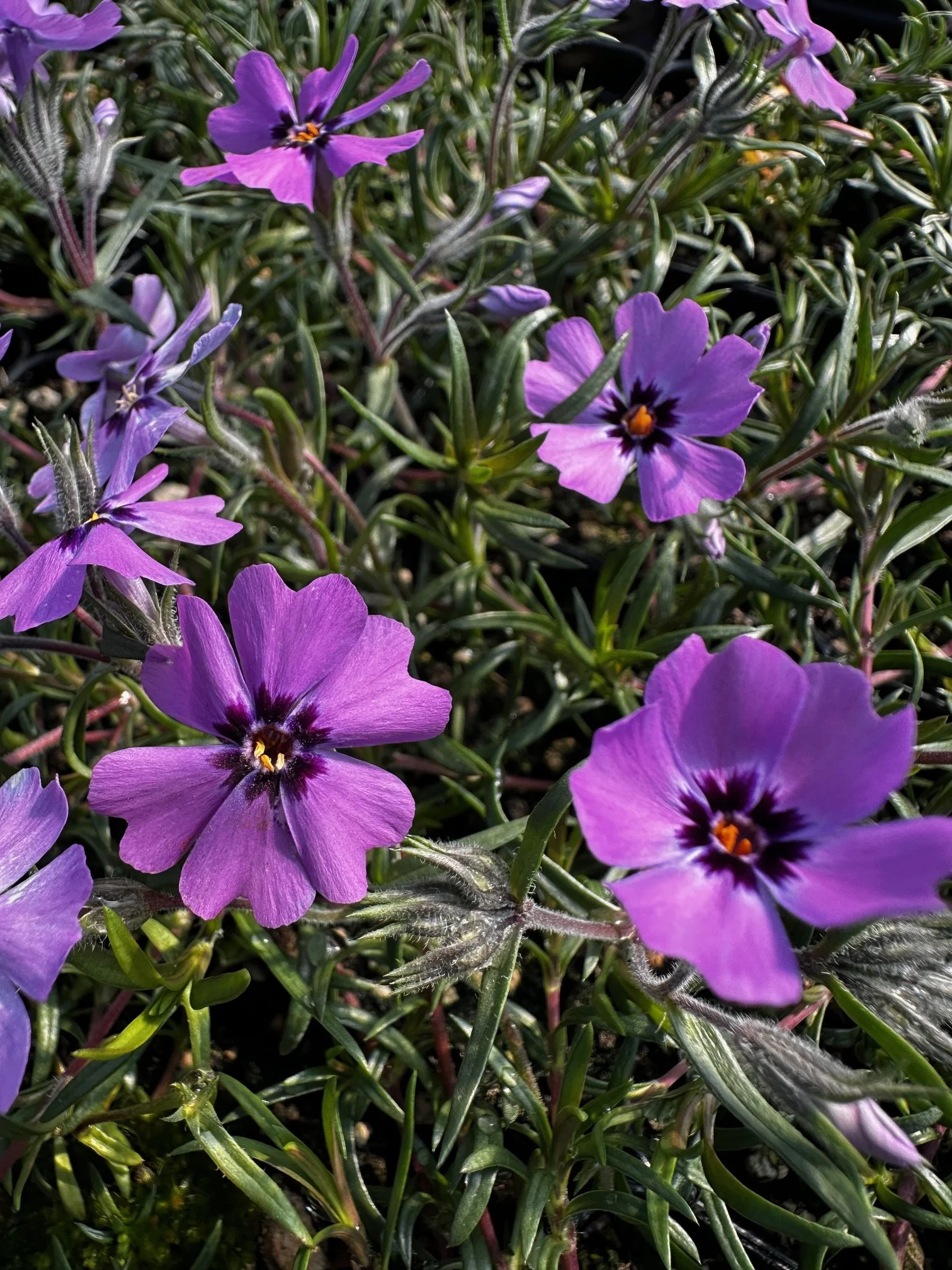
It forms a tight, evergreen to semi-evergreen mat of fine, needle-like foliage, the stems closely interwoven to create a dense, ground-hugging carpet that is both durable and refined in texture. The plant spreads steadily but remains low, making it ideal for filling crevices, trailing over stones, and knitting together gravelly surfaces.
In spring, it produces a profusion of small, star-shaped flowers in soft pink to lilac tones, often with subtle variation in intensity and a faint central eye. The flowering is typically abundant, creating a continuous sheet of color over the foliage and making it one of the more dependable performers among older creeping phlox selections.
In cultivation, Phlox ‘Boothman’s Variety’ thrives in full sun and sharply drained, lean soils, performing best in rock gardens, troughs, and crevice plantings where excess moisture—especially in winter—is avoided. It benefits from good air circulation and open exposure, reflecting its alpine and subalpine origins.
Hardy in USDA Zones 4–7, this selection is valued for its toughness, tight mat-forming habit, and reliable spring display, representing the enduring utility of traditional, time-tested clones in alpine gardening.
Phlox ‘Rice Creek’ is a compact, mat-forming selection of creeping phlox believed to Phlox ‘Boothman’s Variety’ is a classic, low-growing selection of creeping phlox long circulated in rock garden collections, although rarely seen today.
It forms a tight, evergreen to semi-evergreen mat of fine, needle-like foliage, the stems closely interwoven to create a dense, ground-hugging carpet that is both durable and refined in texture. The plant spreads steadily but remains low, making it ideal for filling crevices, trailing over stones, and knitting together gravelly surfaces.
In spring, it produces a profusion of small, star-shaped flowers in soft pink to lilac tones, often with subtle variation in intensity and a faint central eye. The flowering is typically abundant, creating a continuous sheet of color over the foliage and making it one of the more dependable performers among older creeping phlox selections.
In cultivation, Phlox ‘Boothman’s Variety’ thrives in full sun and sharply drained, lean soils, performing best in rock gardens, troughs, and crevice plantings where excess moisture—especially in winter—is avoided. It benefits from good air circulation and open exposure, reflecting its alpine and subalpine origins.
Hardy in USDA Zones 4–7, this selection is valued for its toughness, tight mat-forming habit, and reliable spring display, representing the enduring utility of traditional, time-tested clones in alpine gardening.