Do we ever really know when we have met our waterloo? I would postulate that Napoleon really should have seen it coming, perhaps that is where the complex comes from. Of course a little bit of unstoppable believe in ones self is a good thing, lord knows I would not be here today if it weren’t for a bit of a ‘Napoleon’ complex, or better yet, unstoppable belief. Anyway, haven’t met my waterloo moment yet! Here is another phlox:
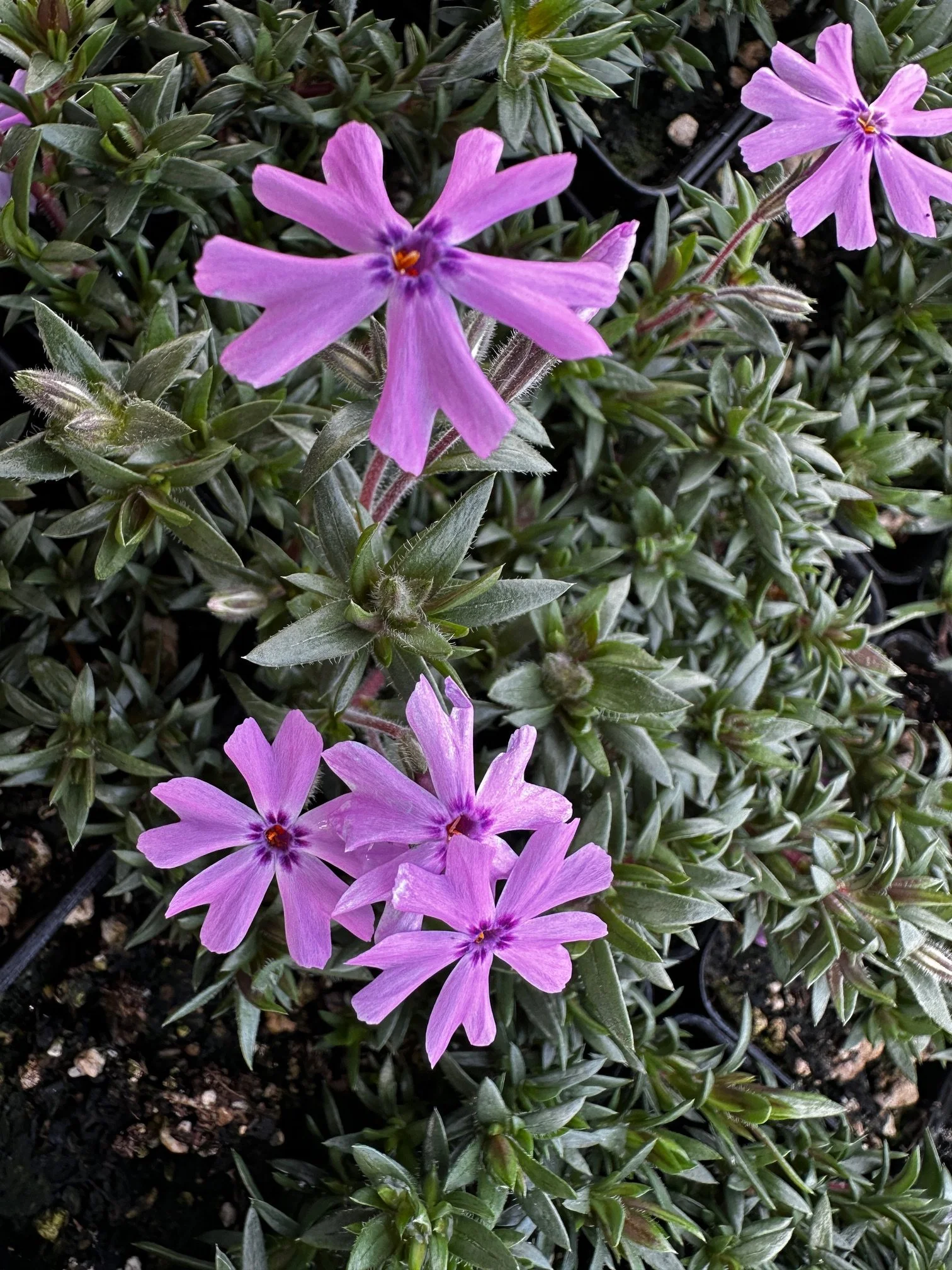
Phlox douglasii ‘Waterloo’ is a compact, mat-forming selection of Douglas’ phlox, a species native to the dry, rocky slopes and open sagebrush country of the Pacific Northwest and inland western North America. This cultivar reflects those origins with a low, tightly knit habit and excellent tolerance for sun, drought, and lean soils.
It forms a dense, evergreen cushion of short, needle-like leaves borne on closely interwoven stems that spread slowly to create a durable, ground-hugging carpet. The foliage remains neat and structured throughout the year, providing a strong textural presence even outside the flowering season.
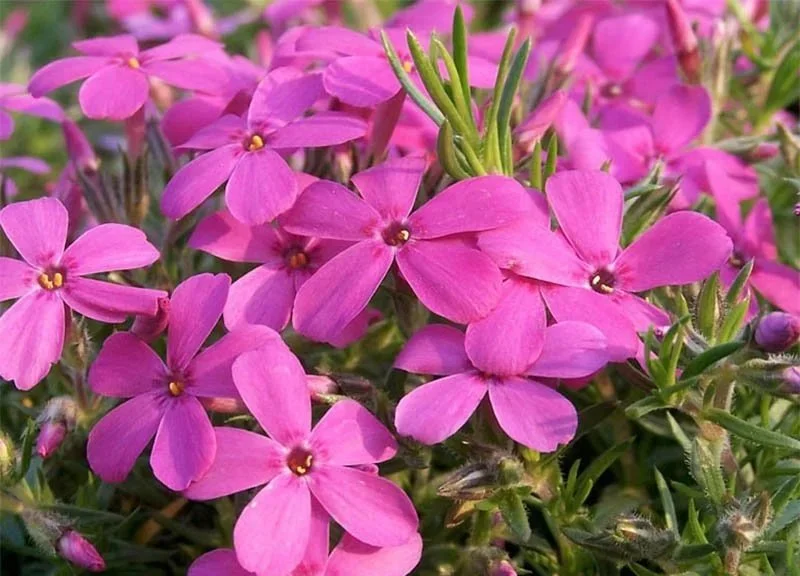
In mid to late spring, the plant is covered in a profusion of relatively large, five-petaled flowers in clear lavender-pink to soft rose tones, often with a slightly darker eye. The bloom is typically abundant enough to nearly obscure the foliage, creating a vivid, low-growing sheet of color.
In cultivation, Phlox douglasii ‘Waterloo’ thrives in full sun and sharply drained, gritty soils, performing best in rock gardens, crevice plantings, troughs, and dry slopes. It requires excellent drainage and is intolerant of winter wet or heavy soils, but is otherwise tough and long-lived when properly sited.
Hardy in USDA Zones 3–7, this selection is valued for its compact habit, reliable flowering, and adaptability to dry, exposed conditions, making it a dependable and colorful groundcover for alpine and rock garden settings.
Do we ever really know when we have met our waterloo? I would postulate that Napoleon really should have seen it coming, perhaps that is where the complex comes from. Of course a little bit of unstoppable believe in ones self is a good thing, lord knows I would not be here today if it weren’t for a bit of a ‘Napoleon’ complex, or better yet, unstoppable belief. Anyway, haven’t met my waterloo moment yet! Here is another phlox:
Phlox douglasii ‘Waterloo’ is a compact, mat-forming selection of Douglas’ phlox, a species native to the dry, rocky slopes and open sagebrush country of the Pacific Northwest and inland western North America. This cultivar reflects those origins with a low, tightly knit habit and excellent tolerance for sun, drought, and lean soils.
It forms a dense, evergreen cushion of short, needle-like leaves borne on closely interwoven stems that spread slowly to create a durable, ground-hugging carpet. The foliage remains neat and structured throughout the year, providing a strong textural presence even outside the flowering season.
In mid to late spring, the plant is covered in a profusion of relatively large, five-petaled flowers in clear lavender-pink to soft rose tones, often with a slightly darker eye. The bloom is typically abundant enough to nearly obscure the foliage, creating a vivid, low-growing sheet of color.
In cultivation, Phlox douglasii ‘Waterloo’ thrives in full sun and sharply drained, gritty soils, performing best in rock gardens, crevice plantings, troughs, and dry slopes. It requires excellent drainage and is intolerant of winter wet or heavy soils, but is otherwise tough and long-lived when properly sited.
Hardy in USDA Zones 3–7, this selection is valued for its compact habit, reliable flowering, and adaptability to dry, exposed conditions, making it a dependable and colorful groundcover for alpine and rock garden settings.