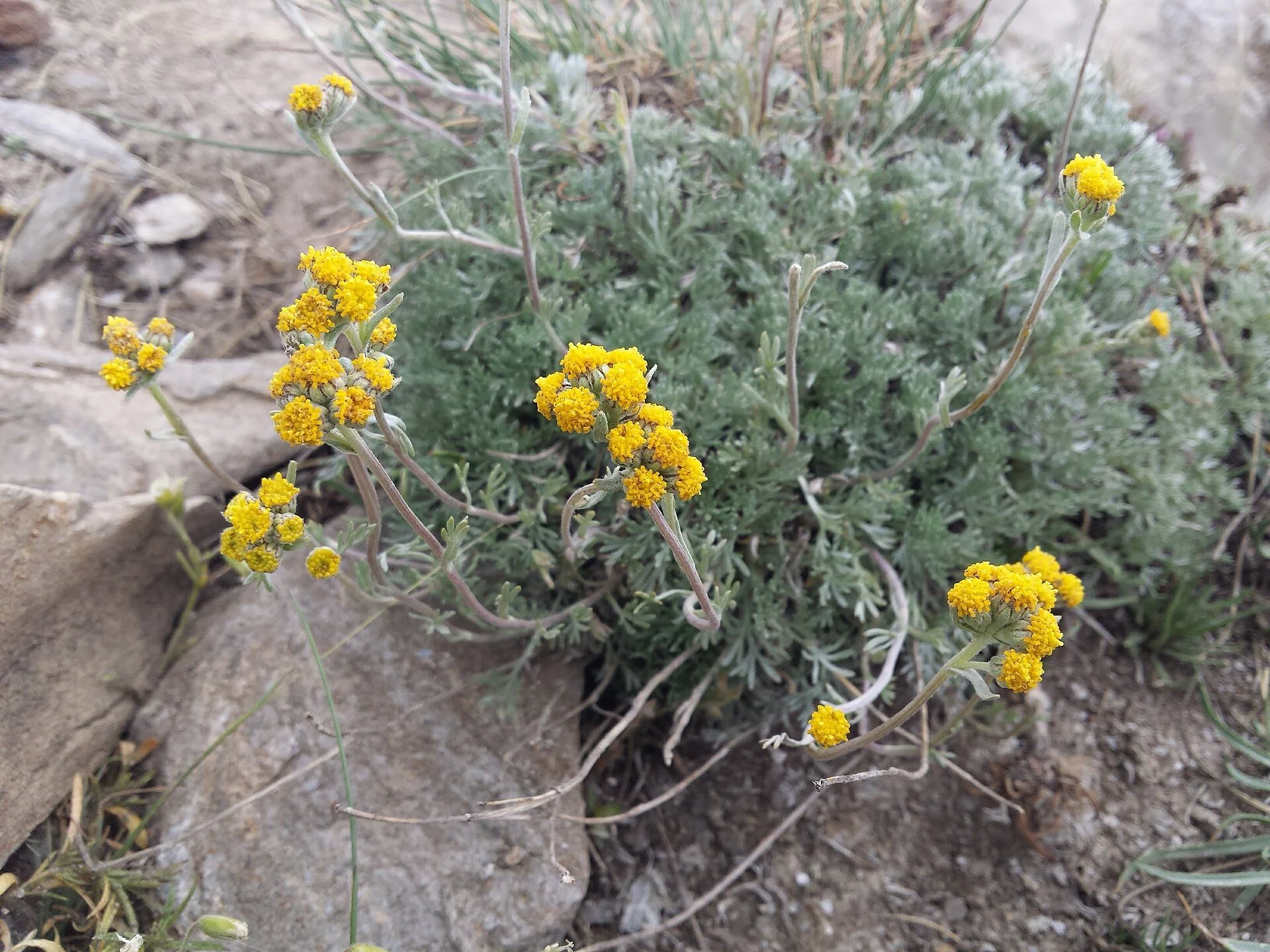
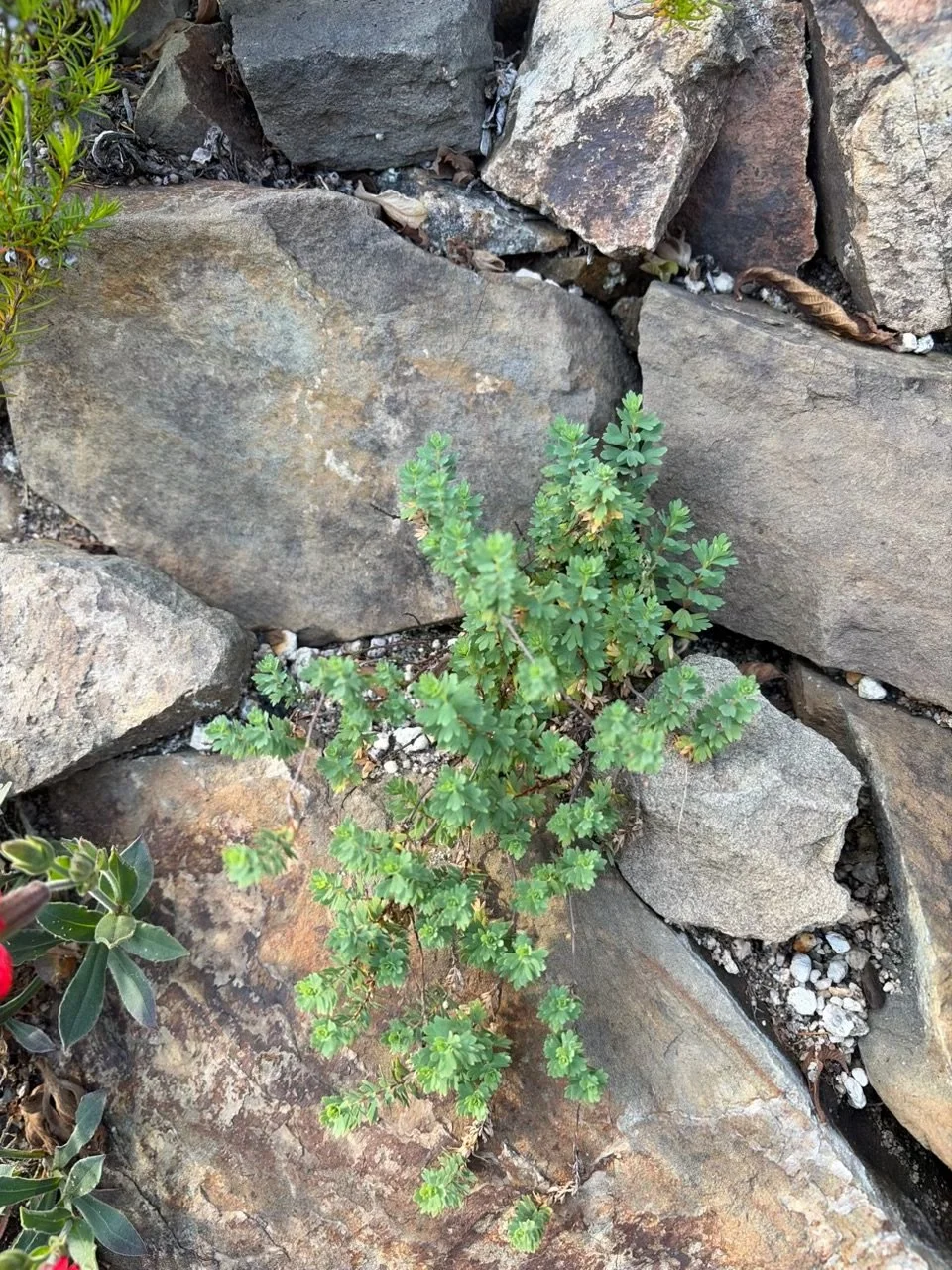
Wendtia gracilis is a delicate, low-growing perennial subshrub native to the arid and semi-arid regions of southern South America, particularly Patagonia and adjacent steppe zones. A plant accustomed to open, dry habitats and stark bare landscapes. Thanks to my friend Archie who is an amazing grower of Chilean plants, this plant is ready to take the crevice and rock garden world by storm.
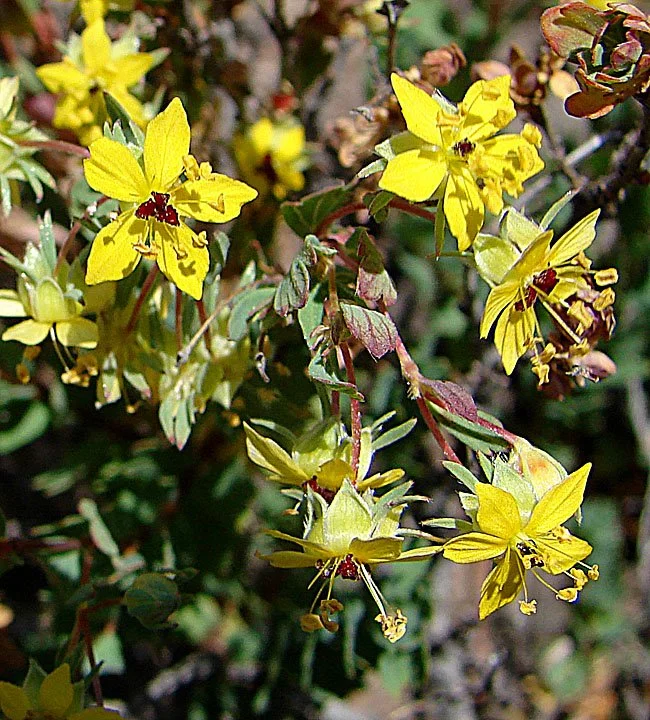
In late spring through summer, it produces small but charming five-petaled flowers in yellow often appearing singly or in small clusters along the wiry stems. Though modest in size, the blooms provide a subtle wash of color that hovers just above the foliage, enhancing its fine-textured form rather than dominating it.
Wendtia gracilis is best suited to rock gardens, troughs, and dry, open plantings where its restrained growth and drought tolerance can be appreciated. It prefers full sun and sharply drained, mineral soils, and performs best in climates with dry summers and cool to moderate temperatures. Hardy in USDA Zones approximately 7–9 with protection from winter wet, it is a plant for collectors seeking understated structure and botanical refinement in xeric plantings.
Wendtia gracilis is a delicate, low-growing perennial subshrub native to the arid and semi-arid regions of southern South America, particularly Patagonia and adjacent steppe zones. A plant accustomed to open, dry habitats and stark bare landscapes. Thanks to my friend Archie who is an amazing grower of Chilean plants, this plant is ready to take the crevice and rock garden world by storm.
In late spring through summer, it produces small but charming five-petaled flowers in yellow often appearing singly or in small clusters along the wiry stems. Though modest in size, the blooms provide a subtle wash of color that hovers just above the foliage, enhancing its fine-textured form rather than dominating it.
Wendtia gracilis is best suited to rock gardens, troughs, and dry, open plantings where its restrained growth and drought tolerance can be appreciated. It prefers full sun and sharply drained, mineral soils, and performs best in climates with dry summers and cool to moderate temperatures. Hardy in USDA Zones approximately 7–9 with protection from winter wet, it is a plant for collectors seeking understated structure and botanical refinement in xeric plantings.